Is a 1 Gig Internet Plan Actually Worth the Money?
Wondering if you need 1 gig internet? We break down the costs, who truly benefits from 1,000 Mbps speeds, and how to find the best deals from top providers.
The best 1 gig internet deals typically come from fiber optic providers, offering speeds of 1,000 Mbps for around $70 to $100 per month with promotional pricing. These plans are ideal for households with multiple heavy internet users, as they provide enough bandwidth for simultaneous 4K streaming, competitive online gaming, and large file transfers without slowdowns.
A gigabit connection, once a premium luxury, is now a mainstream option in many parts of the US, thanks to the expansion of fiber optic networks. While cable companies also offer gig-speed plans, they often can't match the symmetrical upload speeds that make fiber so powerful. Before you upgrade, it's crucial to understand what these speeds mean in practice and whether your family's online habits truly justify the cost. At KonnectX, we help you compare every gigabit plan available at your address to see if the upgrade makes sense for your budget and needs.
What Does 1 Gig Internet Actually Mean?
A 1 gig internet plan provides a maximum connection speed of 1 gigabit per second (Gbps), which is equivalent to 1,000 megabits per second (Mbps). This immense bandwidth allows you to download a full HD movie in under a minute, stream ultra-high-definition (4K) content on several screens at once without buffering, and support a house full of smart devices operating simultaneously without a hitch. It represents a significant leap from the average US internet speed, which typically falls in the 100-300 Mbps range.
In practical terms, this speed transforms your online experience. For standard activities like browsing websites or checking email, the difference might not be dramatic. However, for data-intensive tasks, it's a game-changer. Activities that used to require patience—like uploading a 10 GB video file to YouTube or downloading a new 100 GB video game—become incredibly fast. This level of performance is most commonly delivered via fiber internet, a technology that uses light signals to transmit data, enabling not just high download speeds but equally fast upload speeds.
Who Really Needs a 1 Gig Internet Plan?
Households with multiple power users—such as remote workers, content creators, serious online gamers, and families with many connected devices—are the ones who will truly benefit from a 1 gig internet plan. If your daily routine involves video conferencing while others in the house are streaming 4K TV, downloading large game files, or uploading high-resolution videos, a gigabit connection prevents the digital traffic jams that cause lag and buffering on slower plans. For these users, the upgrade provides a smooth, frustration-free experience for everyone at once.
However, a 1 gig plan is overkill for many people. If you live alone or with one other person and your primary internet use consists of web browsing, social media, and streaming HD video on one or two devices, a plan with 200-500 Mbps is likely more than sufficient and will save you money. The key is to evaluate your household's collective usage. Consider not just what you do online today, but what you might do in the near future as smart home technology and higher-resolution streaming become more common. To see what speeds are right for you, you can explore the latest internet deals available in your area.
- Large families or households with 4+ active users.
- Remote workers who frequently transfer large files or use high-quality video conferencing.
- Content creators who need to upload large video or design files quickly.
- Competitive online gamers who require the lowest possible latency (ping).
- Tech enthusiasts with numerous smart home devices running simultaneously.
- Households that regularly stream 4K or 8K video on multiple screens.
| Task | 100 Mbps Plan | 500 Mbps Plan | 1 Gig (1,000 Mbps) Plan |
|---|---|---|---|
| Download a 50 GB Video Game | ~68 minutes | ~14 minutes | ~7 minutes |
| Download a 2-Hour HD Movie (5 GB) | ~7 minutes | ~1.5 minutes | ~42 seconds |
| Upload a 10-Minute 4K Video (7.5 GB) | ~2.5 hours (at 10 Mbps upload) | ~35 minutes (at 20 Mbps upload) | ~1 minute (at 1,000 Mbps upload) |
How Much Do 1 Gig Internet Plans Typically Cost?
You can typically expect to pay between $70 and $100 per month for a 1 gig internet plan, though many providers offer introductory promotional rates that can bring the cost down to as low as $60 for the first 12 or 24 months. After this promotional period ends, the price will usually increase to the standard rate. The final cost depends heavily on the provider, your location, and whether the plan includes equipment like a router or has additional fees for installation.
Fiber providers often offer the most straightforward pricing. For example, providers like AT&T Fiber and Verizon Fios frequently run promotions that include a free Wi-Fi router, no data caps, and no annual contract, making their gigabit plans a strong value. Cable providers like Xfinity and Spectrum also compete in this space, but it's important to read the fine print for details on equipment rental fees and potential price hikes after the first year. The best way to secure a good price is to compare all the options available at your home, as local competition can drive prices down significantly.

Which Providers Offer the Best 1 Gig Internet Deals?
Fiber optic providers consistently offer the best 1 gig internet deals because their technology provides symmetrical speeds, meaning your upload and download speeds are equally fast. Top fiber providers to look for include AT&T Fiber, Verizon Fios, Frontier, and Google Fiber, all known for reliable performance and competitive introductory pricing that often includes equipment and unlimited data. These companies are often the best choice for anyone who needs high upload performance for working from home or content creation.
While fiber is the gold standard, major cable providers like Xfinity and Spectrum also offer widely available 1 gig download speed plans. Their main drawback is significantly lower upload speeds—typically topping out around 35-50 Mbps on their gigabit tiers. While this is fine for streaming and downloading, it can be a bottleneck for power users. Additionally, some 5G home internet services, like T-Mobile and Verizon, are beginning to offer plans that can approach gigabit speeds in select areas, providing another alternative if you live within their coverage zones. The best provider for you depends entirely on who services your specific address, which you can determine by using an availability checker.
| Provider | Technology | Key Feature | Best For |
|---|---|---|---|
| AT&T Fiber | Fiber | Symmetrical speeds, high reliability | Work-from-home, content creators |
| Verizon Fios | Fiber | Excellent performance, often bundled with perks | Gamers, heavy streamers |
| Xfinity | Cable | Widespread availability, fast download speeds | Households focused on downloading and streaming |
| Spectrum | Cable | No data caps, no contracts | Users who want flexibility and unlimited data |
| Frontier Fiber | Fiber | Competitive pricing, symmetrical speeds | Budget-conscious fiber seekers |
Are Symmetrical Speeds Important for a 1 Gig Plan?
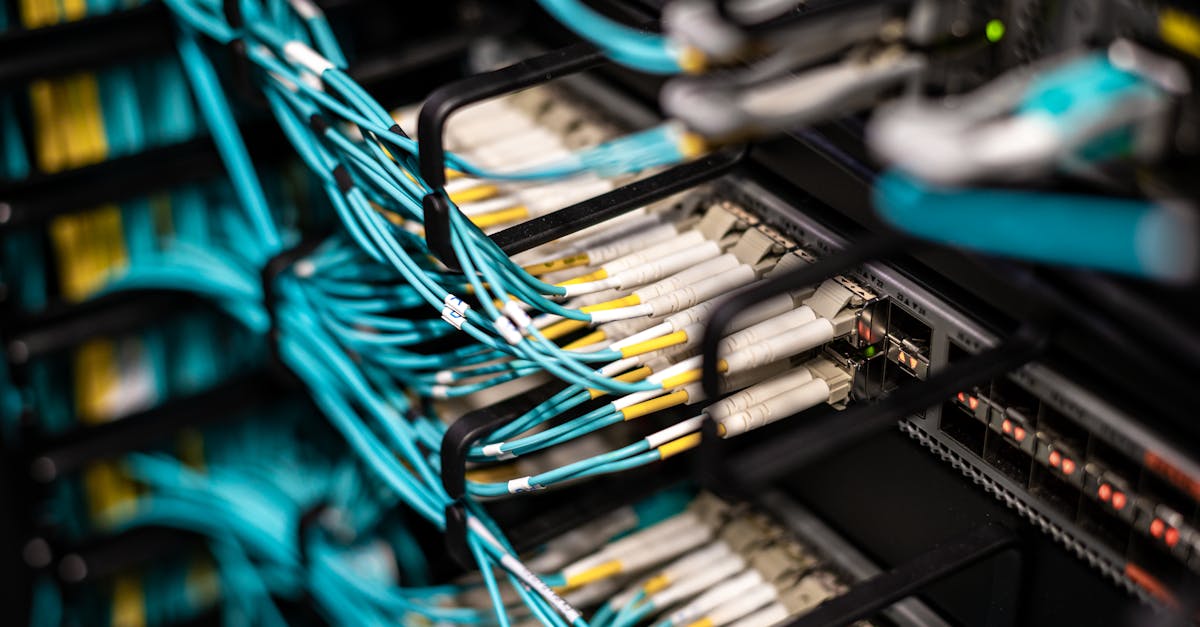
Symmetrical speeds are a critically important feature of a 1 gig plan for anyone who regularly uploads data to the internet, as this ensures your upload performance is as fast as your download performance. This is essential for modern internet use cases like hosting smooth, high-definition video calls, live streaming on platforms like Twitch, uploading large files to cloud storage, and participating in online gaming where sending data quickly is just as important as receiving it. Fiber optic internet is the only common technology that can deliver these matching 1,000 Mbps upload and download speeds.
In contrast, cable internet plans are asymmetrical, meaning their upload speeds are a small fraction of their download speeds. A 1 gig cable plan might provide 1,000 Mbps for downloads but only 35 Mbps for uploads. For a household that primarily consumes content—streaming movies, browsing websites, and downloading games—this may not be a noticeable issue. But for a remote worker, a YouTuber, or anyone backing up large amounts of data, that slow upload speed can become a significant bottleneck and a source of daily frustration. When choosing a gigabit plan, always check the upload speed to ensure it meets your needs.

How Can I Find 1 Gig Internet Deals at My Address?
The most effective way to find genuine 1 gig internet deals is to use an online comparison tool that checks for every available provider at your exact address. Internet availability and pricing are hyperlocal, meaning a great deal offered a few blocks away may not be available at your home. By entering your address, you can see a complete list of providers—from major fiber and cable companies to smaller local ones—and compare their gigabit plans, promotional prices, and terms side-by-side.
This is precisely how KonnectX simplifies the process. Instead of visiting multiple provider websites and re-entering your information, you can check what's available at your address in one place. Our service shows you every plan from every provider, including fiber, cable, and 5G home internet. If you find a deal you like, you can call our experts who will walk you through the details and help you place the order at the exact same price as the provider, with no extra fees. It's the easiest way to ensure you're not missing out on the best possible deal for ultra-fast internet.

Key takeaways
- A 1 gig internet plan offers speeds of 1,000 Mbps, best suited for large households, remote workers, gamers, and content creators.
- Fiber optic providers like AT&T Fiber and Verizon Fios offer the best value with symmetrical upload and download speeds.
- Expect to pay between $70 and $100 per month for a gigabit plan, with many providers offering lower introductory prices for the first year.
- Cable gigabit plans offer fast downloads but have much slower upload speeds, which can be a drawback for some users.
- The best way to find a deal is to compare all providers available at your specific address, as availability and pricing vary street by street.
FAQ
Is 1 Gbps the same as 1 GB/s?
No, they are different units of measurement. 1 Gbps stands for 1 gigabit per second, which measures internet speed. 1 GB/s stands for 1 gigabyte per second, which measures file size or data transfer rate. Since there are 8 bits in a byte, a 1 Gbps connection can theoretically download at a maximum rate of 125 megabytes per second (MB/s).
Will I need a new router for 1 gig internet?
Most likely, yes. To get the full benefit of 1 gig speeds over Wi-Fi, you'll need a modern router that supports the Wi-Fi 6 (802.11ax) standard. Older routers, especially those using Wi-Fi 5 (802.11ac) or earlier, will act as a bottleneck and won't be able to deliver gigabit speeds wirelessly to your devices.
Is 1 gig internet good for gaming?
Yes, 1 gig internet is excellent for gaming. While gaming itself doesn't use a lot of bandwidth, a gigabit connection provides extremely low latency (ping) and allows you to download massive game files and updates in minutes instead of hours.
What is the main difference between 1 gig fiber and 1 gig cable internet?
The primary difference is upload speed. Fiber internet offers symmetrical speeds, meaning you get 1,000 Mbps for both downloads and uploads. Cable internet is asymmetrical, so a 1 gig plan might have 1,000 Mbps download speed but only 35 Mbps upload speed.
Will I always get 1,000 Mbps speed on a 1 gig plan?
No, you will likely not see 1,000 Mbps consistently. The advertised speed is the maximum speed delivered to your home. Your actual speeds will vary based on factors like network congestion, whether you're using Wi-Fi versus a wired Ethernet connection, your device's capabilities, and the server you're connecting to.
How many devices can you use with 1 gig internet?
A 1 gig connection can comfortably support dozens of devices at once. You could have multiple people streaming 4K video, playing online games, video conferencing, and using various smart home devices simultaneously without experiencing significant slowdowns.
Do I need special wiring in my house for fiber internet?
Yes, getting fiber internet requires a professional installation. A technician will need to run a fiber optic cable from the street to your home and install a special terminal, called an ONT, which converts the light signals into an internet connection for your router.