
Is AT&T Fiber Really Worth It? A Deep Dive Into Speeds, Pricing, and Reviews
Is AT&T Fiber the right choice? Our review covers its symmetrical speeds, transparent pricing, customer satisfaction ratings, and availability to help you decide.
AT&T Fiber is widely considered one of the best internet services in the United States, primarily due to its symmetrical upload and download speeds, high customer satisfaction ratings, and straightforward pricing. For households that rely on fast, consistent internet for streaming, gaming, video conferencing, and working from home, it's an exceptional choice that often outperforms its cable and 5G home internet competitors.
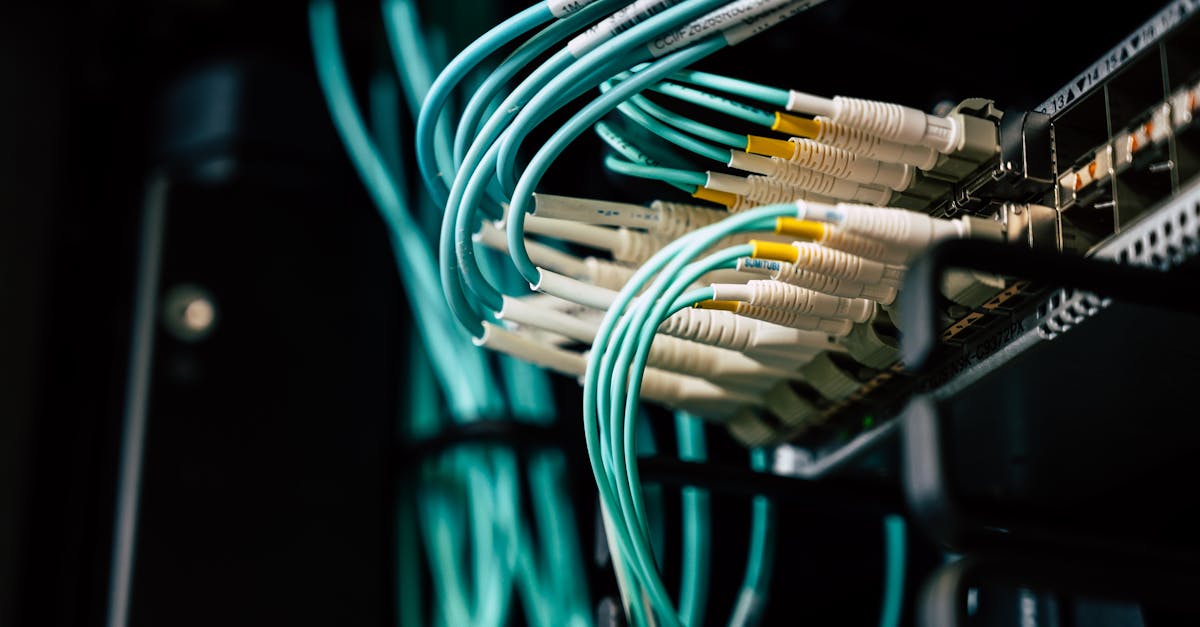
Unlike cable internet, which uses a mix of fiber and older coaxial cable lines, AT&T Fiber runs on a 100% fiber-optic network that delivers data as pulses of light directly to your home. This technology not only allows for incredible multi-gigabit speeds but also provides superior reliability and lower latency. In this review, we'll break down the speeds, costs, customer service reputation, and availability to help you determine if upgrading to AT&T Fiber is the right move for your home.
What Makes AT&T Fiber Different From Cable Internet?
The key difference is that AT&T Fiber uses a 100% fiber-optic network to deliver symmetrical upload and download speeds, while cable internet uses a hybrid fiber-coaxial network that results in much slower upload speeds. This means with AT&T Fiber, if you pay for a 1000 Mbps plan, you get 1000 Mbps for both downloading and uploading, which is a massive advantage for modern internet use.
Cable providers like Xfinity and Spectrum might offer similar download speeds, but their upload speeds are typically a small fraction of that—often just 10 to 50 Mbps. This upload bottleneck can cause frustrating lag during video calls, slow down large file transfers to the cloud, and create a disadvantage in competitive online gaming. Because fiber internet technology is more modern and efficient, it also tends to be more reliable and less prone to slowdowns during peak usage hours when your whole neighborhood is online.
What Speeds Can You Actually Get With AT&T Fiber?
AT&T Fiber offers a range of plans with symmetrical speeds from 300 Mbps up to 5000 Mbps (5 Gig), and real-world performance data shows they consistently deliver 90-95% of these advertised speeds directly to your home. This level of consistency is a significant benefit, ensuring you almost always get the performance you're paying for, unlike some other technologies that can fluctuate more.
The right speed for you depends entirely on your household's needs. The 300 Mbps plan is more than enough for small families who stream in HD, browse the web, and make video calls. The 500 Mbps and 1 Gig (1000 Mbps) plans are ideal for larger families, serious gamers, or remote workers who frequently transfer large files. The multi-gigabit 2 Gig and 5 Gig plans are designed for tech enthusiasts, content creators uploading massive video files, or households with dozens of connected smart devices running simultaneously. It's important to note that to experience speeds over 1 Gig on a single device, you'll need a computer with a compatible Ethernet port and wiring.
| Plan Name | Symmetrical Speed | Best For |
|---|---|---|
| Internet 300 | 300 Mbps | Streaming, browsing, and small households |
| Internet 500 | 500 Mbps | Work from home, multiple HD streams, some gaming |
| Internet 1000 (1 Gig) | 1000 Mbps | Serious gaming, multiple 4K streams, large files |
| Internet 2000 (2 Gig) | 2000 Mbps | Future-proofing, tech-heavy smart homes, content creators |
| Internet 5000 (5 Gig) | 5000 Mbps | Extreme power users, running home servers, prosumers |

How Much Does AT&T Fiber Cost Per Month?
AT&T Fiber plans typically cost between $60 and $250 per month, with no equipment fees, data caps, or annual contracts, making the pricing very straightforward and transparent compared to many competitors. The price you see is generally the price you pay, without the surprise fee increases that are common with the promotional pricing of many cable providers.
The most popular plans, like 300 Mbps and 1 Gig, usually start around $60 and $80 per month, respectively. While this may not always be the absolute cheapest internet option available, the value is exceptional when you consider what's included. AT&T provides its Wi-Fi gateway at no extra monthly cost, and the absence of data caps means you can stream, download, and upload as much as you want without fear of overage charges. This all-inclusive pricing model often makes AT&T Fiber more affordable in the long run than a cable plan that starts cheap but adds on equipment rental fees and has a significant price hike after the first year.

How Good Is AT&T Fiber's Customer Service and Reliability?
AT&T Fiber consistently ranks number one in overall customer satisfaction among fiber internet providers according to the American Customer Satisfaction Index (ACSI), reflecting high network reliability and positive customer experiences. As of May 2026, AT&T has held this top spot for four consecutive years, a testament to the quality of its service and support, setting it apart from competitors who often struggle with customer perception.
This high rating is largely due to the inherent stability of the fiber-optic network. Fiber is less susceptible to slowdowns from neighborhood congestion and is more resistant to weather-related interference than cable or DSL. This means fewer outages and a more consistent connection day-to-day. While no provider's customer service is perfect, AT&T's continued investment in its fiber network and support infrastructure has clearly paid off in customer loyalty and satisfaction, making it a reliable choice for those who can't afford internet downtime.
Where Is AT&T Fiber Available?
AT&T Fiber is available in over 100 major metro areas across 21 states, but its availability is highly specific, and not all homes within AT&T's general service area can get fiber service. The company is actively expanding its fiber footprint, but for now, access is concentrated in and around major cities, meaning many suburban and rural areas are not yet covered.
It's crucial to understand that AT&T also offers older, DSL-based internet service under the name "AT&T Internet." This service is much slower and does not offer the symmetrical speeds or reliability of fiber. Because of this, you cannot assume you can get fiber just because AT&T services your area. The only way to know for sure what is offered at your home is to check what's available at your address. This will show you if you can get AT&T Fiber and how it compares to other local options like Verizon Fios or 5G home internet.

What Are the Main Pros and Cons of AT&T Fiber?
The primary advantages of AT&T Fiber are its symmetrical speeds, high reliability, and transparent pricing, while the main disadvantage is its limited availability compared to national cable providers. These factors make it a top-tier choice for those who can get it, but a non-starter for those outside its service footprint.
Here’s a quick breakdown of the key benefits and drawbacks to consider:
- Pro: Symmetrical Speeds - Equal upload and download speeds are perfect for video calls, gaming, and uploading large files.
- Pro: High Reliability - Fiber-optic technology is stable and less prone to outages or slowdowns.
- Pro: Transparent Pricing - No annual contracts, no data caps, and no monthly equipment fees mean no surprise charges.
- Pro: Top-Rated Customer Satisfaction - Consistently earns the highest marks for customer satisfaction among fiber providers.
- Con: Limited Availability - The biggest hurdle is that it's not available everywhere, unlike cable or satellite.
- Con: Professional Installation Required - You can't self-install; a technician must run a fiber line to your home.
- Con: Multi-Gig Speeds Require New Hardware - To take full advantage of 2 Gig or 5 Gig plans, your personal devices need compatible network cards.
How Can I Switch to AT&T Fiber?
To switch to AT&T Fiber, first confirm it's available at your address, then choose a plan and schedule a professional installation appointment, and finally, cancel your old internet service after the new one is active. This process ensures you have a smooth transition without any period of internet downtime, which is especially important if you work from home.
The first and most important step is confirming eligibility. You can use KonnectX to check availability and see all the plans offered at your home. Once you've selected a plan and placed an order, AT&T will schedule a technician to visit. They will run a dedicated fiber-optic line from the street to your home and set up the Wi-Fi gateway. Only after the technician has confirmed your new AT&T Fiber service is up and running should you call your previous provider to cancel. This prevents any interruption in service and gives you time to ensure everything is working perfectly.

Find Out if AT&T Fiber is Right for You
Ready to see if you can get the symmetrical speeds and reliability of AT&T Fiber? The best way to start is by seeing a complete, unbiased list of every internet service available at your home. Different technologies and providers serve every neighborhood differently, and knowing all your options is the key to making the best choice.
Enter your address on our availability page to instantly compare every internet plan from every provider in your area. You can see how AT&T Fiber stacks up against cable, 5G, and other options side-by-side. Or, give our experts a call, and we'll help you find the perfect plan and handle the order for you, all at the same price as going direct with the provider.
Key takeaways
- AT&T Fiber offers symmetrical upload and download speeds, a significant advantage over cable internet for video calls, gaming, and large file transfers.
- It consistently ranks #1 in customer satisfaction for fiber internet providers, reflecting high network reliability and positive user experiences.
- Pricing is straightforward and all-inclusive, with no annual contracts, data caps, or monthly equipment fees.
- Availability is the biggest limitation; it's primarily offered in major metropolitan areas and you must check your specific address.
- KonnectX makes it easy to check availability and compare AT&T Fiber against every other internet provider at your address.
FAQ
Does AT&T Fiber have data caps?
No, all AT&T Fiber plans come with unlimited data, so you can use the internet as much as you want without worrying about overage fees.
Is AT&T Fiber good for gaming?
Yes, AT&T Fiber is excellent for gaming. Its low latency (ping), high symmetrical speeds, and network stability provide a smooth, lag-free online gaming experience.
Do I need to sign a contract for AT&T Fiber?
No, AT&T Fiber plans do not require an annual contract, giving you the flexibility to change or cancel your service without penalty.
Is the AT&T Wi-Fi gateway included with the service?
Yes, AT&T includes its Wi-Fi gateway with all fiber plans at no additional monthly equipment cost, which is a significant value compared to providers that charge rental fees.
How is AT&T Fiber installed?
AT&T Fiber requires a professional installation. A technician will run a new fiber-optic cable from the utility line to your home and install a new wall jack and the Wi-Fi gateway.
Can I get AT&T Fiber everywhere?
No, AT&T Fiber's availability is limited to specific areas in 21 states. You must check your exact address to see if you are eligible for service.
What's the difference between AT&T Fiber and AT&T Internet?
AT&T Fiber is a 100% fiber-optic service with symmetrical speeds up to 5 Gigs. AT&T Internet is an older service, often using DSL technology over phone lines, which is much slower and less reliable.
Can I use my own router with AT&T Fiber?
Yes, you can use your own router with AT&T Fiber, but you must still use the included AT&T gateway. You can configure the gateway's IP Passthrough mode to let your personal router manage your home network.