A Guide to the Best Fiber Internet Providers
Looking for the fastest, most reliable internet? Our guide covers the best fiber internet providers and how to find the right one for your home.
If you're searching for the best internet connection available today, all roads lead to fiber optics. Fiber internet represents the gold standard for speed, reliability, and performance, using light to transmit data through thin strands of glass at speeds that older technologies like cable and DSL simply can't match. It’s the engine that powers seamless 4K streaming, lag-free online gaming, and households with dozens of connected devices all running at once. While it used to be a rare luxury, fiber networks are expanding across the country at a rapid pace, making this superior technology a realistic option for millions of Americans.
But who is the "best" fiber internet provider? The honest answer is that it depends entirely on where you live. The best provider is the one that offers excellent service at your specific address. Some providers have massive national footprints, while others are regional powerhouses or small local companies offering incredible service. This guide will walk you through the top names in the fiber industry, explain what makes fiber technology unique, and show you how to find the perfect plan for your needs. The key is to compare all your options, a process that can be simplified by checking availability in one place to see every provider that serves your home.
What Makes Fiber Internet Different?
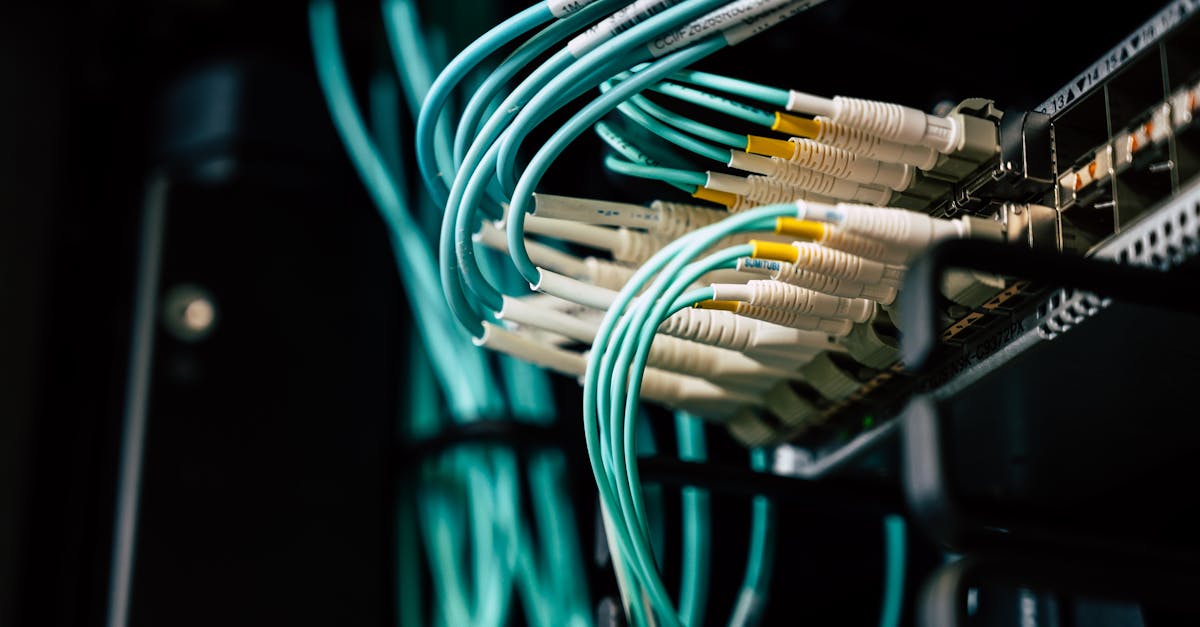
So, what makes a fiber connection so special? It comes down to the technology. While cable internet sends data over the same type of coaxial cables used for TV and DSL uses old copper phone lines, fiber optic internet uses a dedicated line made of glass strands as thin as a human hair. Data travels along these strands as pulses of light, which can move faster and carry significantly more information than the electrical signals used by cable and DSL.
This technological difference leads to three key advantages. First is raw speed, with many fiber providers offering plans of 1,000 Megabits per second (Mbps), or 1 Gigabit, and even multi-gigabit speeds. Second is symmetrical speeds, meaning your upload speed is just as fast as your download speed. This is a game-changer for video calls, uploading large files, and online gaming. Finally, fiber is more reliable. It's less prone to slowdowns during peak usage hours (unlike cable's shared networks) and is more resistant to weather-related interference, giving you a more stable and consistent connection.
Top National and Regional Fiber Providers to Know
The fiber internet market is a mix of massive national companies, strong regional providers, and a growing number of local and municipal networks. Among the most well-known names are AT&T Fiber and Frontier, which have extensive networks across many states. Verizon Fios is another major player, highly regarded for its performance and customer service, though its network is primarily concentrated in the northeastern U.S. Google Fiber, while not as widespread, is famous for popularizing gigabit speeds and continues to expand into new cities.
Beyond these giants, the landscape is rich with other excellent options. Providers like CenturyLink (which is rebranding its fiber service as Quantum Fiber), EarthLink, and hundreds of smaller, local telecommunications companies and electric co-ops are aggressively building out their own fiber networks. These smaller providers often offer very competitive pricing and highly rated local customer support. This is why you can't rely on name recognition alone; the best-performing, best-priced provider in your neighborhood might be one you've never heard of, underscoring the importance of a comprehensive search based on your address.

AT&T Fiber: Widespread Availability and Multi-Gig Speeds
As one of the largest fiber providers in the country, AT&T Fiber is a top contender in any area it serves. The company has invested heavily in expanding its fiber optic network, making it one of the most widely available options for true fiber-to-the-home service. Its plans are known for being straightforward and powerful, often starting at several hundred Mbps and going all the way up to multi-gigabit speeds of 2-Gig and even 5-Gig in some areas.
A major draw for AT&T Fiber is its simple, customer-friendly approach. Most of its plans come with no annual contract requirement, giving you flexibility. They also don't have data caps, so you can stream, download, and upload as much as you want without worrying about overage fees. The price typically includes the necessary Wi-Fi gateway equipment, avoiding the surprise rental fees that are common with some other providers. This combination of high performance and transparent terms makes AT&T a go-to choice for millions.
Verizon Fios: A Leader in Customer Satisfaction
While its network isn't as geographically diverse as AT&T's, Verizon Fios has built an outstanding reputation in the markets it serves, primarily across the Northeast and mid-Atlantic. For years, Fios has consistently earned top marks in customer satisfaction surveys for its speed, reliability, and service quality. It was one of the first major providers to build a large-scale fiber-to-the-home network, and that maturity shows in its consistent performance.
Verizon Fios is also known for its simple and transparent plan structure. They typically offer three main speed tiers, making it easy for customers to choose the right fit without being overwhelmed by options. Their pricing is often advertised as a flat rate, with no hidden fees, equipment charges, or annual contracts. For customers who also use Verizon Wireless, there are often significant bundling discounts available, making Fios an even more compelling value proposition.
Google Fiber: The Pioneer of Gigabit Internet
No discussion of fiber internet is complete without mentioning Google Fiber. Though its availability is limited to a select number of metropolitan areas, Google Fiber played a pivotal role in revolutionizing the home internet market. When it launched, its standard 1-Gig speed was unheard of for a residential connection and forced incumbent cable and DSL providers to accelerate their own network upgrades to compete. Today, Google Fiber continues to push the envelope, offering 2-Gig, 5-Gig, and even faster plans in some locations.
The customer experience is central to Google Fiber's appeal. The service is known for its refreshingly simple, no-nonsense approach. Pricing is crystal clear with no promotional gimmicks, no data caps, and no equipment rental fees. Installation is professional, and customer support is generally well-regarded. If you are fortunate enough to live in a Google Fiber city, it is almost always one of the best, if not the best, options available.
How to Choose the Right Fiber Provider for You
With so many great options, how do you find the best one for your home? The single most important factor is availability. A provider might be highly rated, but that means nothing if they don't service your address. Instead of visiting half a dozen different provider websites and re-entering your address each time, you can use a comparison service like KonnectX. By entering your address just once, you can see a full, unbiased list of every internet provider available to you—from major fiber companies to local cable and 5G home internet providers.
Once you know who serves your home, you can compare the details that matter most. First, consider the speed you actually need. A 1-Gig plan is fantastic, but a 300 or 500 Mbps fiber plan is often more than enough for most families and comes at a lower price. Next, look at the total cost. Check for introductory pricing that expires after a year, equipment rental fees, and data caps. The best providers offer straightforward pricing with no annual contracts. Finally, consider customer service reputation, which can often be found in regional satisfaction reports.
This is where a little expert help can go a long way. After you've compared your options online, a service like KonnectX allows you to order by phone. You can speak with a specialist who can help you confirm the best plan for your needs and place the order for you, all at the exact same price as going directly to the provider. It's a simple way to save time and ensure you're making the right choice without any extra cost.

The Future of Fiber and Emerging Players
The future of home internet is fiber, and the race to build out networks is more intense than ever. Significant private investment and government funding initiatives, like the Broadband Equity, Access, and Deployment (BEAD) Program, are helping to bring high-speed fiber to previously underserved suburban and rural areas. Companies like Frontier, which historically relied on DSL, are actively replacing their old copper networks with brand new fiber optic lines, bringing multi-gigabit speeds to communities for the first time.
This expansion is also fueling the rise of smaller, agile competitors. Local telephone and electric cooperatives, as well as municipal governments, are building their own fiber networks to provide residents with more choice and better service. These local providers often deliver excellent speeds with very competitive, transparent pricing and a level of community-focused customer service that larger corporations can struggle to match. This evolving landscape means that your best internet option tomorrow might be different than it is today, making it worthwhile to check for new providers in your area periodically.
Key takeaways
- Fiber internet offers the fastest, most reliable connection with symmetrical speeds, ideal for modern internet use like streaming, gaming, and working from home.
- The 'best' provider depends entirely on who services your specific address. Major players include AT&T Fiber, Verizon Fios, and Google Fiber, but many excellent local options also exist.
- When choosing, compare speed tiers, pricing (including fees and post-promo rates), contract terms, data caps, and customer service reputation.
- Symmetrical speeds (equal upload and download) are a key advantage of fiber, crucial for video calls, online gaming, and uploading large files.
- Services like KonnectX simplify the process by letting you compare every available provider at your address and order in one call at no extra cost.
FAQ
Is fiber internet really that much better than cable?
Yes, for most users. Fiber offers faster potential speeds, symmetrical upload and download speeds, lower latency, and greater reliability compared to cable, which uses a shared network that can slow down during peak hours.
How do I know if I can get fiber internet at my address?
The easiest way is to use an online availability checker. Services like KonnectX allow you to enter your address once to see a complete list of all internet providers—including fiber, cable, 5G, and satellite—that serve your home.
What's the difference between gigabit and multi-gigabit internet?
Gigabit internet offers speeds of around 1,000 Mbps. Multi-gigabit plans offer even faster speeds, such as 2,000 Mbps (2-Gig) or 5,000 Mbps (5-Gig). While gigabit is more than enough for most homes, multi-gig plans are for power users with many connected devices or who transfer massive files.
Do I need a special router for fiber internet?
Your fiber provider will typically supply a compatible router or gateway (often called an ONT/modem combo) that is designed to handle the high speeds. While you can sometimes use your own router, it's best to use the equipment they provide or recommend for optimal performance.
Is fiber internet more expensive than other types of internet?
It used to be, but prices have become very competitive. In many areas, a 1-Gig fiber plan costs about the same as a mid-tier cable plan but delivers far superior performance. Pricing varies widely by location and provider.
What does 'symmetrical speed' mean?
Symmetrical speed means your upload speed is the same as your download speed (e.g., 1,000 Mbps download and 1,000 Mbps upload). This is a unique feature of fiber and is extremely beneficial for activities like video conferencing, online gaming, and uploading large files to the cloud.
Can I get fiber internet in a rural area?
It's becoming more common, but availability is still limited. Government initiatives and provider expansion are slowly bringing fiber to more rural communities. If fiber isn't available, other options like 5G home internet or satellite internet may be your best bet.