Is Fiber Internet Really the Best Option for Your Home?
Is fiber internet actually better than cable or 5G? Yes. Fiber offers symmetrical speeds, unmatched reliability, and future-proof performance for your home.
Yes, for the vast majority of households, fiber optic internet is unequivocally the best type of internet connection available today. It delivers the fastest speeds, the most reliable performance, and the lowest latency, making it superior to cable, DSL, and even 5G home internet for almost any online activity. While its availability is still more limited than older technologies, if you have the option to get fiber at your address, it's almost always the right choice.
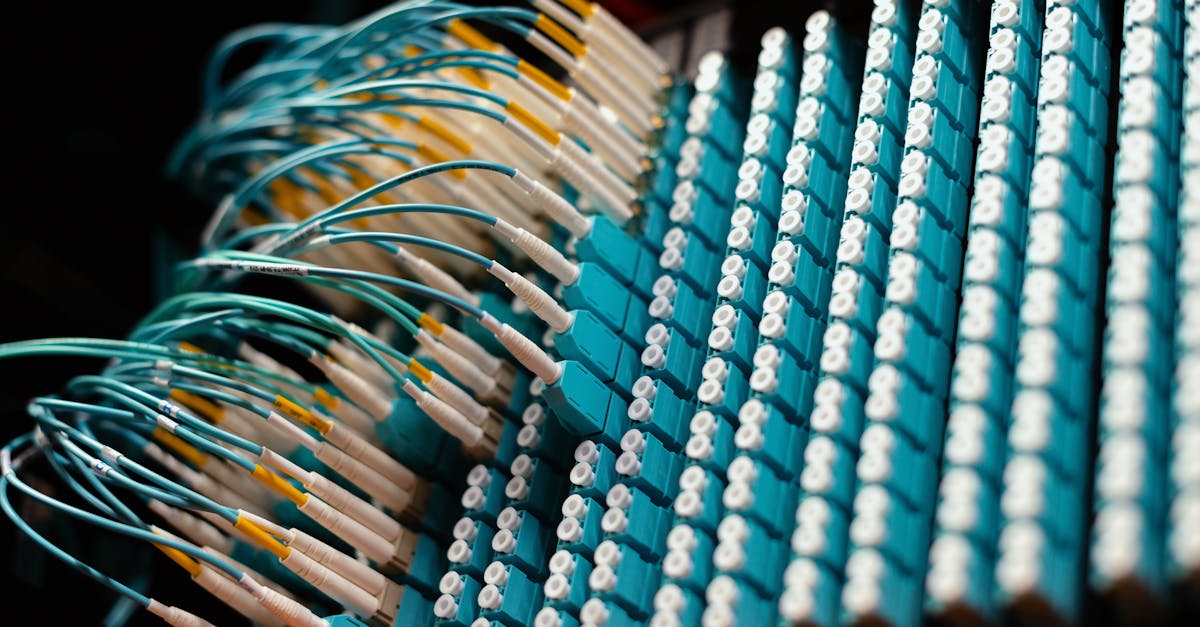
Unlike traditional internet connections that use copper wires to transmit electrical signals, fiber optic technology uses thin strands of glass to send data as pulses of light over long distances with virtually no signal loss. This fundamental difference is what gives fiber its incredible performance advantage. In this guide, we'll break down exactly what makes fiber the top-tier choice, how it compares to other options, and how you can determine if it's available for your home.
What Makes Fiber Internet So Much Faster?
Fiber internet is so much faster because it uses light to transmit data through glass cables, a method that is inherently faster and has far greater capacity than the electrical signals sent over the copper wires used by cable and DSL internet. This technology allows for a massive amount of data to be sent and received simultaneously without the signal degradation or interference that plagues copper-based networks. The result is a connection that can easily handle multi-gigabit speeds for both downloads and uploads.
The most significant advantage is its ability to provide symmetrical speeds, meaning your upload speeds are just as fast as your download speeds. Cable internet, by contrast, is built on technology originally designed for one-way television delivery, so its upload capacity is a small fraction of its download speed. For modern internet use—including video calls, cloud backups, and online gaming—fast upload speeds are critical, and this is where fiber leaves all other technologies behind.
How Do Fiber Speeds Compare to Cable and 5G?
Fiber offers symmetrical download and upload speeds that typically range from 300 Mbps to over 5,000 Mbps (5 Gbps), while cable provides fast downloads but much slower uploads, and 5G Home Internet speeds can fluctuate based on network conditions. This makes fiber the clear winner for performance-intensive tasks. While a top-tier cable plan might offer a 1,000 Mbps download speed, its upload speed may be capped at just 35 Mbps. A comparable fiber plan would offer 1,000 Mbps for both.
This difference matters more than ever. Fast downloads are great for streaming movies and downloading games, but fast uploads are essential for smooth video conferencing, uploading large files to the cloud, live streaming, and competitive online gaming. 5G home internet is a strong contender and a great option where wired connections are poor, but as a wireless service, its performance can be affected by network congestion and your distance from the cell tower. Fiber internet provides a consistently stable and powerful connection that other technologies can't match.
| Technology | Typical Speeds (Download/Upload) | Key Advantage | Best For |
|---|---|---|---|
| Fiber Optic | 300 Mbps – 8 Gbps (Symmetrical) | Symmetrical speed and reliability | Gamers, remote workers, large families |
| Cable | 50 Mbps – 2 Gbps / 5 – 50 Mbps | Widely available, very fast downloads | Streaming, general browsing, most households |
| 5G Home Internet | 50 – 1,000 Mbps / 10 – 50 Mbps | Easy setup, great alternative to cable/DSL | Cord-cutters, areas with few wired options |
| DSL | 10 – 100 Mbps / 1 – 10 Mbps | Broad availability in rural areas | Basic browsing and email |
Is Fiber More Reliable Than Other Internet Types?
Yes, fiber optic internet is significantly more reliable because its glass cables are immune to the issues that commonly affect other connection types. Fiber lines are not susceptible to electromagnetic interference from power lines or other sources, and they are far more resistant to damage from temperature changes and moisture, which can cause outages for copper-based cable and DSL networks. This inherent durability translates to a more stable connection with less downtime.
Furthermore, cable internet networks are often shared among many homes in a neighborhood, meaning your speeds can slow down during peak usage hours (like evenings and weekends) when everyone is online. While fiber networks also serve multiple homes, they are typically designed with much higher capacity, making these slowdowns far less common. The signal also doesn't degrade over distance like it does with copper, so your performance is consistent whether you're next door to the network hub or at the end of the street.
Who Actually Needs the Speeds Fiber Offers?
Households with multiple people simultaneously streaming in 4K, competitive online gamers who need the lowest possible latency, and remote workers transferring large files are the users who will benefit most from fiber's top-tier performance. If your current internet connection feels sluggish during peak hours or struggles when multiple devices are active, a switch to fiber will provide an immediate and noticeable improvement. It's designed for the demands of a fully connected home.
Even if you don't think you need gigabit speeds today, choosing fiber is a way to future-proof your home. As applications like virtual reality, cloud gaming, and 8K streaming become more common, the demand for bandwidth will only increase. A fiber connection ensures you have more than enough capacity to handle whatever comes next. For families, gamers, and anyone working from home, the stability and symmetrical speeds of providers like AT&T Fiber and Verizon Fios are game-changers.

How Much Does Fiber Internet Actually Cost?
Fiber internet plans typically start around $50 to $60 per month for entry-level speeds like 300 or 500 Mbps, with gigabit plans often priced between $70 and $90, making it highly competitive with high-end cable internet. While multi-gigabit plans can exceed $100 per month, the value offered by standard fiber plans is exceptional, especially since they often come with fewer hidden fees and limitations than their counterparts.
When comparing costs, look beyond the monthly price. Many fiber providers, including AT&T Fiber and Frontier, offer straightforward pricing that includes the Wi-Fi router at no extra cost and doesn't require an annual contract. Perhaps most importantly, data caps are extremely rare on fiber plans, giving you unlimited data without fear of overage charges. When you factor in the superior performance and reliability, fiber often provides the best overall value in areas where you can find cheap internet deals.
How Can I Find Out If Fiber Is Available for My Home?
The only definitive way to know if fiber is available at your home is to check serviceability at your specific address, as availability can vary from one block to the next. Building out fiber optic networks is an intensive process, so providers expand their footprint street by street. This means your neighbor across the road might be eligible for fiber even if you are not.
Instead of visiting the websites for AT&T, Frontier, Verizon, and other local providers one by one, you can use a comprehensive tool to see every option at once. KonnectX allows you to check what's available at your address in a single step. You'll see all the fiber, cable, 5G, and satellite plans you're eligible for, making it easy to compare your options and find the best connection for your needs.

Ready to See if You Can Get Fiber?
The final step in getting the best internet is to see which providers actually serve your home. Because availability for fiber, cable, and 5G home internet comes down to your specific address, the best plan is always the one you can actually get. KonnectX makes this easy by letting you compare every major provider available at your address in one place.
Enter your address or call our experts to see plans from providers like AT&T Fiber, Xfinity, Spectrum, T-Mobile Home Internet, and more. You can compare speeds, pricing, and terms side-by-side and order right over the phone at the same price as going directly to the provider. Get started today to find the perfect internet plan for your home.
Key takeaways
- Fiber is the best internet technology for most people, offering superior speed, reliability, and low latency.
- A key advantage of fiber is symmetrical speeds, meaning uploads are just as fast as downloads, which is crucial for video calls and gaming.
- Fiber optic cables are more durable and less prone to weather or electrical interference than copper-based cable or DSL.
- Pricing for fiber is very competitive with high-end cable plans, often starting around $50-$60 per month with no data caps.
- Fiber availability is limited and address-specific, so you must check your address to see if you can get it.
FAQ
Is fiber better than 5G home internet?
Yes, for pure performance, fiber is superior to 5G home internet. It offers faster potential speeds, much lower latency, and greater reliability. However, 5G is an excellent wireless alternative in areas where high-quality wired connections like fiber or cable are not available.
Do I need a special router for fiber internet?
Your fiber provider will supply the necessary equipment. This includes an Optical Network Terminal (ONT), which converts the light signal into an electrical signal, and a compatible Wi-Fi router to create your home network.
Is fiber internet good for gaming?
Fiber is the best possible connection for online gaming. Its extremely low latency (or 'ping') and stable, high-speed connection provide a smooth, lag-free experience that is essential for competitive play.
What is the difference between fiber and Wi-Fi?
Fiber refers to the physical connection that brings the internet into your home from the provider's network. Wi-Fi is the wireless technology used inside your home to distribute that internet connection from your router to your devices, like laptops, phones, and smart TVs.
Can I get fiber internet in a rural area?
While less common due to the high cost of deployment, fiber is becoming increasingly available in rural areas thanks to government initiatives and provider expansion. It's always worth checking your specific address for the most up-to-date availability information.
Which companies offer fiber internet service?
Major national providers include AT&T Fiber, Verizon Fios, and Frontier. There are also many excellent regional and local companies expanding their fiber networks across the country. You can check all providers in your area to see your options.
Does fiber internet go out when the power goes out?
Yes, like other types of internet, fiber service requires power for the equipment in your home (the ONT and router) and for the provider's network equipment. If you have a battery backup or generator, your service may continue to work during a power outage.