
Is Fiber Internet Worth It? A Complete Guide to Speed, Cost, and Value
Fiber internet offers unmatched speed and reliability, but is it right for your home? We break down the pros, cons, and costs to help you decide.
You’ve heard the hype: fiber optic internet is the gold standard for home connectivity. Promising lightning-fast speeds and rock-solid reliability, it’s often presented as the ultimate upgrade. But with different technologies available and budgets to consider, a crucial question remains: is fiber internet actually worth it for you? The answer isn’t a simple yes or no. While fiber represents a significant leap forward from older technologies like cable and DSL, its value depends entirely on how you and your household use the internet.
This guide will cut through the technical jargon to give you a clear, honest look at what fiber internet offers. We'll explore how it works, what makes it different from other connection types like cable or 5G home internet, and who stands to benefit the most from its capabilities. By understanding the real-world advantages in speed, reliability, and cost, you can make an informed decision about whether upgrading to fiber is the right move for your home and your wallet.
What Is Fiber Internet, and How Is It Different?
At its core, fiber optic internet is a method of transmitting data using light. Information travels as pulses of light through incredibly thin strands of glass or plastic, bundled together in a fiber optic cable. This is a fundamental departure from older internet technologies. Cable internet, for example, sends data as electrical signals over coaxial cables (the same kind used for cable TV), while DSL uses the copper wiring of your telephone line. Think of it as the difference between sending a message with a flashlight versus sending it through a copper pipe—the flashlight beam is faster, clearer, and can carry far more information over longer distances without degrading.
This technological difference is what gives fiber its inherent advantages. Because it uses light, it's not susceptible to the same kind of electromagnetic interference that can affect copper-based connections. It’s also less impacted by distance from a central hub or the number of people online in your neighborhood, a common issue known as network congestion that can slow down cable internet during peak hours. Providers like AT&T Fiber, Verizon Fios, and Frontier Fiber are expanding their networks across the country, bringing this next-generation technology to more homes.

The Core Advantage: Symmetrical Speeds Explained
The single biggest performance advantage of fiber internet is its ability to deliver symmetrical speeds. This means your upload speed is the same as your download speed. If you have a 1 Gbps (gigabit) fiber plan, you can download a massive file at 1,000 Mbps and upload one at 1,000 Mbps. This is a game-changer compared to cable internet, which is almost always asymmetrical. A typical cable plan might offer a 500 Mbps download speed but only a 20 Mbps upload speed.
Why does this matter? In the early days of the internet, we mostly consumed content—downloading web pages, music, and videos. Today, we are all creators. Fast upload speeds are critical for smooth video calls on Zoom or Teams, uploading large work files to the cloud, streaming your gameplay on Twitch, or backing up your photos and videos. A slow upload speed is what causes your video to freeze during a conference call or makes sending a large presentation feel like it takes forever. For remote workers, content creators, or even just families that use video chat frequently, symmetrical fiber speeds provide a dramatically better and more efficient online experience.

Unmatched Reliability and Low Latency
Beyond raw speed, fiber optic connections are known for their superior reliability and consistency. The glass fibers are more durable than copper wires and are immune to issues like weather-related interference that can plague other connection types, including satellite and sometimes even cable. This results in less downtime and a more stable connection you can count on, which is especially important if you rely on your internet for work or school.
Another key benefit is extremely low latency, also known as ping. Latency is the delay between when you send a command and when the server registers it. For most activities like browsing or streaming, a few extra milliseconds of delay isn't noticeable. But for online gaming, it’s the difference between winning and losing. Fiber’s low latency provides a near-instantaneous connection, giving gamers a competitive edge and making real-time applications feel incredibly responsive. While a good cable connection can offer decent latency, it simply can't compete with the consistently low ping of a dedicated fiber line.

Is Fiber Faster for Everyday Use? Streaming, Browsing, and More
So, will you actually feel the difference in your day-to-day life? It depends on your household. If you live alone and primarily use the internet to browse websites, check email, and stream shows on one device, a 300 Mbps cable plan is likely more than enough. You probably wouldn't notice the extra power of a gigabit fiber plan for those tasks. However, the story changes dramatically in a multi-person, multi-device household.
Consider a family of four. At 7 PM on a Tuesday, Mom might be on a work video call in the office, Dad could be streaming a 4K movie in the living room, one kid is playing Fortnite online with friends, and the other is watching YouTube on a tablet. On a standard cable connection, this much simultaneous activity can strain the network, leading to buffering on the movie, lag in the game, and a choppy video call. With fiber, the massive bandwidth and symmetrical speeds can handle all of this and more without breaking a sweat. Every device gets the speed it needs, resulting in a smooth, frustration-free experience for everyone.

The Cost of Fiber: Is It More Expensive?
A common misconception is that fiber internet is a luxury product with a prohibitively high price tag. While this was true in its early days, the landscape has changed significantly. As fiber networks have expanded, competition has driven prices down. Today, a gigabit fiber plan from a provider like AT&T or Frontier often costs the same as, or even less than, a comparable high-speed cable plan from a company like Xfinity or Spectrum.
When evaluating cost, it's also important to look at the total value. Many fiber plans come with straightforward pricing, no annual contracts, and no data caps, meaning you can use as much internet as you want without worrying about overage fees. Cable providers, on the other hand, sometimes have promotional rates that jump significantly after the first year and may enforce data caps in certain areas. In the long run, fiber can be a more predictable and cost-effective choice, providing a superior, future-proof connection for a competitive price.

Who Actually Needs Fiber Internet?
With all these benefits, who is the ideal candidate for fiber internet? While anyone can enjoy a faster connection, certain users will see a transformative difference. If you fall into one or more of these categories, fiber is almost certainly worth the investment.
First are the power users and connected households. This includes remote workers who rely on stable video conferencing and fast file transfers, serious online gamers who need the lowest possible latency, and content creators who regularly upload large video files. Second are large families or homes with numerous connected devices. If you have multiple people streaming, gaming, working, and learning online simultaneously, fiber's high bandwidth prevents network slowdowns. Finally, anyone looking to future-proof their home should consider fiber. As our reliance on the internet grows with 4K/8K streaming, smart home devices, and virtual reality, fiber is the only technology built to handle those future demands with ease.
- Remote Workers and Students: For flawless video calls and quick cloud file access.
- Serious Online Gamers: To get the lowest possible latency (ping) for a competitive edge.
- Content Creators: For rapidly uploading high-resolution videos and other large files.
- Large Households: To support multiple people streaming, gaming, and working at the same time without slowdowns.
- Tech Enthusiasts: For future-proofing a smart home and being ready for next-generation applications.
The Biggest Hurdle: Availability
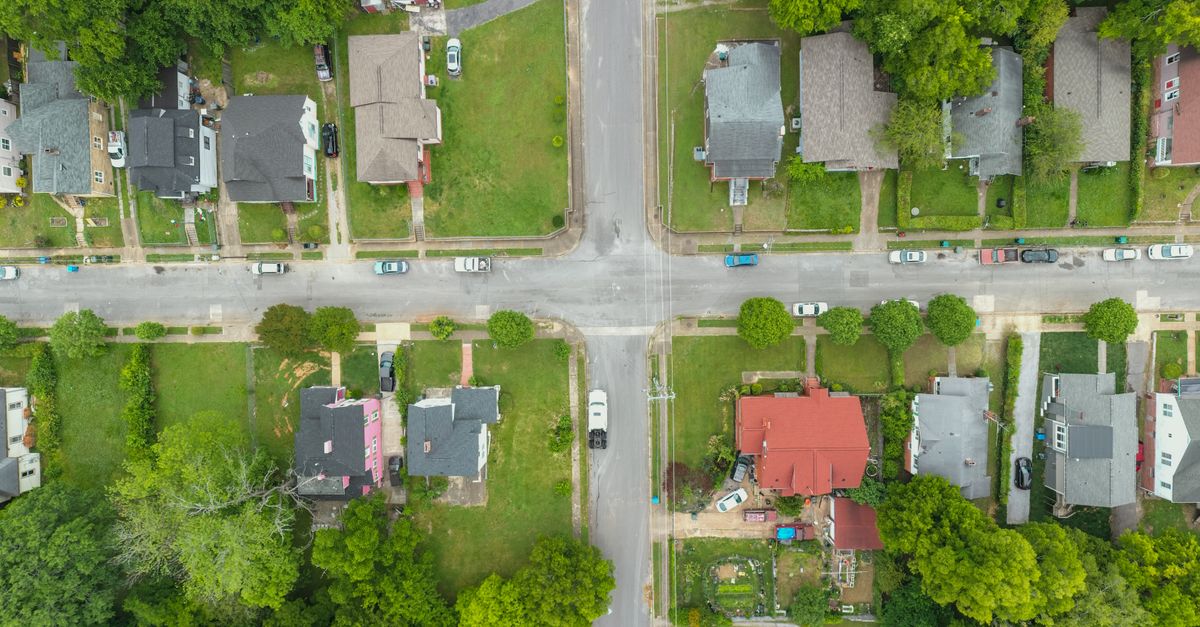
The single biggest reason more people don't have fiber internet is availability. Building out a fiber optic network is a massive, expensive undertaking that involves laying new cables underground or on utility poles. Consequently, even in areas where fiber is offered, its availability can be hyper-local. Your neighbor across the street might be eligible for AT&T Fiber, while your own address is only served by Spectrum's cable network.
This patchwork availability makes finding out your options a challenge. You can't just assume a provider serves your area; you have to check your specific street address. This is where a service like KonnectX becomes incredibly helpful. Instead of visiting multiple provider websites and entering your address over and over, you can check once to see every internet option available to you—whether it's fiber, cable, 5G home internet, or satellite. It simplifies the discovery process and gives you a complete picture of your true choices.
How to Find and Compare Fiber Plans
Once you know fiber is available, the final step is choosing the right plan. Start by confirming which specific providers, like Verizon Fios, Frontier, or a local company, serve your address. Then, compare the speed tiers they offer. While multi-gig plans are available, a 1 Gbps plan is more than enough for even the most demanding households and usually represents the best value.
Look closely at the pricing details. Is the price promotional for the first 12 months, or is it a fixed rate? Does the plan include the necessary equipment, like a modem or router, or is there a monthly rental fee? Also, confirm that the plan has no data caps, which is a standard feature for most major fiber providers. By comparing these factors, you can find the best deal for your needs. Using a service like KonnectX allows you to see all these plans side-by-side and order your chosen service in a single phone call, all at the same price the provider offers directly, but without the hassle of navigating different sales processes.
Key takeaways
- Fiber offers symmetrical speeds, meaning your uploads are as fast as your downloads, which is a major advantage for video calls, gaming, and uploading files.
- It is more reliable and has lower latency (ping) than cable or 5G internet, providing a more stable and responsive connection.
- Fiber internet pricing is now highly competitive with high-speed cable plans, often providing better value and performance for a similar cost.
- The biggest challenge with fiber is its limited availability, which is hyper-local and must be checked at your specific address.
- Whether fiber is worth it depends on your usage; it's a game-changer for large households, remote workers, and gamers, but may be overkill for single users with basic needs.
FAQ
Is 1 Gig fiber internet overkill?
For a single person who only browses the web and streams video, 1 Gig (1,000 Mbps) might be more speed than they'll ever use. However, for a family with multiple devices streaming, gaming, and working simultaneously, it provides the bandwidth to ensure everyone has a smooth, lag-free experience.
Is fiber internet better than cable?
In terms of technology, yes. Fiber is generally faster, more reliable, and offers symmetrical upload/download speeds, which cable does not. While a high-end cable plan is still very fast and suitable for many homes, fiber provides a superior and more future-proof connection.
Do I need a special router for fiber internet?
Yes, you will need a router that can handle the high speeds of a fiber connection. Your internet provider will typically supply a compatible router, often included in your plan or for a small monthly rental fee. You can also purchase your own, but you must ensure it's compatible with your provider's service.
How is fiber optic internet installed?
A technician will run a new fiber optic line from a nearby utility pole or underground box directly to your home. They will then install a small box called an Optical Network Terminal (ONT) inside or outside your house, which converts the light signals into an Ethernet connection for your router.
Can I get fiber internet in my area?
It depends entirely on your specific address. Fiber availability is still limited and not nationwide. The only way to know for sure is to check your address with providers or use a comparison service that can show you all available options in one place.
Does fiber internet increase home value?
While it's not a direct driver like a new kitchen, access to high-speed fiber internet is increasingly seen as a highly desirable utility. Some studies suggest that homes with fiber access can be more attractive to buyers, especially those who work from home, potentially making them easier to sell.
What's the difference between fiber and 5G home internet?
Fiber is a wired connection that runs a physical glass cable to your home, offering maximum speed and reliability. 5G home internet is a wireless connection that uses cellular signals from a nearby tower. While 5G is a great option where fiber or cable isn't available, a wired fiber connection is generally faster and more stable.
Is fiber good for gaming?
Fiber is the best type of internet for online gaming. Its combination of high symmetrical speeds and, most importantly, extremely low latency (ping) provides the fastest and most responsive gaming experience possible, minimizing lag.