Is Gigabit Internet Actually Worth the Extra Cost?
Gigabit internet is worth it for households with multiple heavy users, but most people can save money with a 300-500 Mbps plan that's still plenty fast.
Gigabit internet plans, offering speeds around 1,000 Mbps, are worth the cost for households with multiple heavy internet users, such as remote workers, serious gamers, or families who stream 4K video on several devices at once. For most other users, however, a plan with 300-500 Mbps is often more than enough for daily activities and costs significantly less. This distinction is crucial because while 'gig-speed' has become a powerful marketing term for internet providers, its practical benefit depends entirely on your specific needs.
Understanding whether you're the right fit for a gigabit plan means looking past the hype and evaluating how your household actually uses the internet. It's about ensuring you have enough bandwidth for everyone to do what they want online without frustrating slowdowns, but also avoiding paying a premium for speed you'll never use. At KonnectX, we help you cut through the noise by showing you every available plan at your address, from basic connections to multi-gig fiber, so you can make an informed choice. You can check what's available at your address right now to see your options side-by-side.
What Exactly Is Gigabit Internet?
Gigabit internet is a broadband connection that offers download speeds of up to 1,000 megabits per second (Mbps), which is also commonly referred to as 1 gigabit per second (Gbps). To put that into perspective, it's about 10 to 20 times faster than the average internet speed in the United States, allowing you to download a full HD movie in under a minute or a massive 100 GB video game in about 15 minutes. It represents a significant leap in performance over standard broadband plans, which typically range from 100 to 500 Mbps.
The technology delivering these speeds is a key differentiator. The best gigabit experience comes from fiber-optic internet, which uses light signals to transmit data. This technology provides symmetrical speeds, meaning your upload speed is just as fast as your download speed. This is a game-changer for video calls, uploading large files, and cloud backups. In contrast, cable internet providers like Xfinity and Spectrum also offer gigabit download speeds, but their technology usually limits upload speeds to a fraction of that, often around 35 Mbps. While still very fast for downloading, this upload speed difference is critical for creators and remote workers.

Who Actually Needs a 1 Gig Internet Plan?
You truly need a 1 Gig internet plan if you live in a large household where multiple people are simultaneously engaged in high-bandwidth activities like streaming 4K video, competitive online gaming, and working from home. For a single person or a couple who mostly browses the web and streams HD content, a gigabit plan is usually overkill, as a 300 Mbps connection can easily handle those tasks without any noticeable lag or buffering.
The ideal customer for gigabit internet fits into a few specific profiles. First, there are large families or homes with multiple roommates where four or more people are online at the same time on various devices. Second are the power users: content creators uploading high-resolution videos, software developers downloading large code repositories, or remote workers who constantly transfer massive files. Finally, serious online gamers benefit from the rapid download speeds for new games and updates, which can often exceed 100 GB. While latency (or 'ping') is more important for actual gameplay, fast downloads mean less waiting and more playing. A household that checks several of these boxes will feel the full benefit of a gigabit connection.

How Much Do Gigabit Internet Plans Typically Cost?
Gigabit internet plans in the United States typically cost between $70 and $120 per month, though providers often offer introductory promotional rates that can bring the price down for the first 12 or 24 months. After the promotional period ends, the price will usually increase to the standard rate, so it's important to read the fine print. This price point places gigabit plans in the premium tier of residential internet services.
Several factors influence the final cost of a gigabit plan. The most significant is the type of provider and the level of local competition. In areas with multiple fiber internet providers like AT&T Fiber and Google Fiber, prices tend to be more competitive. Your final bill will also include equipment rental fees (for a modem or router), which can add $10-$15 per month, plus any one-time installation or activation fees. To find the most affordable options, it's always a good idea to look for current internet deals and see if bundling with TV or mobile service can unlock extra savings.
| Speed Tier | Typical Monthly Price Range | Best For |
|---|---|---|
| 100–300 Mbps | $40 – $60 | 1-2 people, HD streaming, web browsing |
| 300–500 Mbps | $50 – $80 | Most families, 4K streaming, working from home |
| Gigabit (1,000 Mbps) | $70 – $120 | Large households, power users, content creators |
| Multi-Gig (2–5 Gbps) | $100 – $250+ | Tech enthusiasts, home businesses with heavy data needs |

Which Providers Offer the Best Gigabit Internet Plans?
The best gigabit internet providers are typically those with extensive fiber-optic networks, such as AT&T Fiber, Verizon Fios, and Google Fiber, because they offer symmetrical upload and download speeds. This means you get ultra-fast performance for both downloading content and uploading your own, which is essential for modern internet use. These fiber providers are consistently ranked highest for speed, reliability, and customer satisfaction, making them the top choice if they are available in your area.
Cable providers like Xfinity and Spectrum are also major players in the gigabit space and have much wider availability across the country. They deliver reliable gigabit download speeds over their hybrid fiber-coaxial networks, which is more than enough for streaming and gaming. However, their primary drawback is significantly slower upload speeds, which can be a bottleneck for anyone working from home with large files or doing a lot of video conferencing. Newer alternatives like 5G home internet from T-Mobile and Verizon are also expanding, but they don't consistently offer true gigabit speeds yet. Ultimately, the best provider for you is the one that offers the best technology at your specific address, which you can discover by using an availability checker.
What Do I Need Besides the Plan Itself?
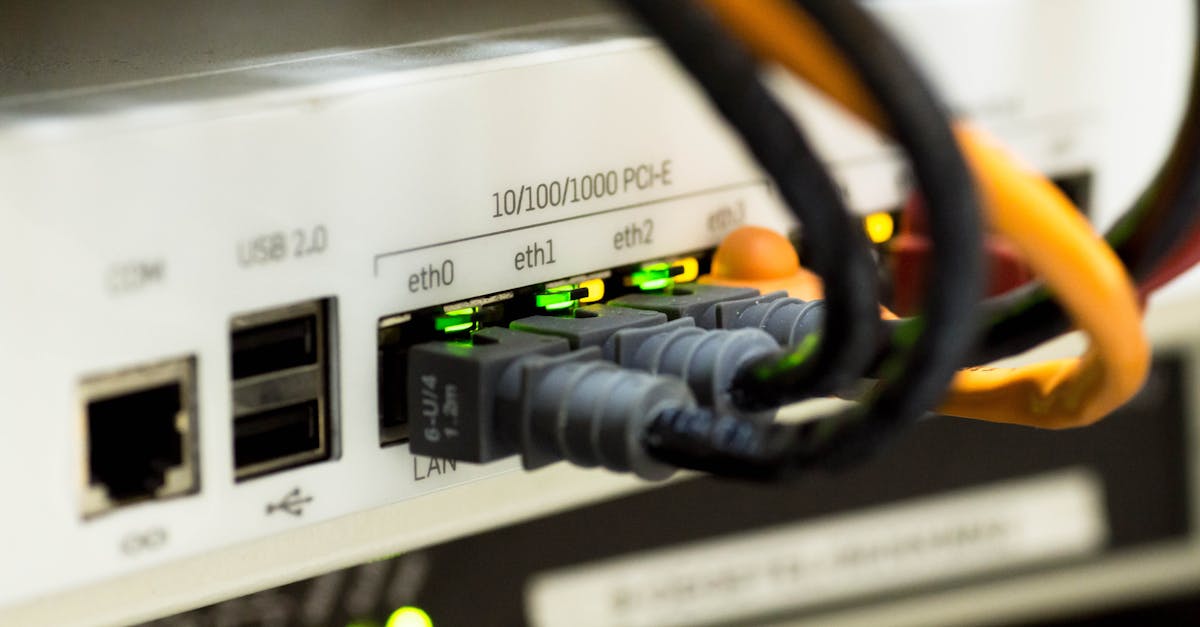
To get the full benefit of a gigabit internet plan, you need a modern Wi-Fi router (preferably Wi-Fi 6 or newer) and devices with gigabit-capable hardware. An older router is the most common bottleneck in a home network; it simply cannot process and transmit data at 1,000 Mbps, meaning your expensive internet plan goes to waste. A Wi-Fi 6 (802.11ax) or Wi-Fi 6E router is designed to handle gigabit speeds and support many devices at once without congestion, ensuring your connection remains fast and stable throughout your home.
Beyond the router, your personal devices also play a critical role. For the absolute fastest and most reliable connection, plugging your computer or gaming console directly into the router with an Ethernet cable is always the best option. For wireless connections, your laptop, smartphone, and tablet must have modern Wi--Fi chips to approach gigabit speeds. Most internet providers offer to rent you a compatible router for a monthly fee, but purchasing your own can save you money in the long run and often provides better performance and more advanced features.
How Can I Find Out if Gigabit Internet Is Available for Me?
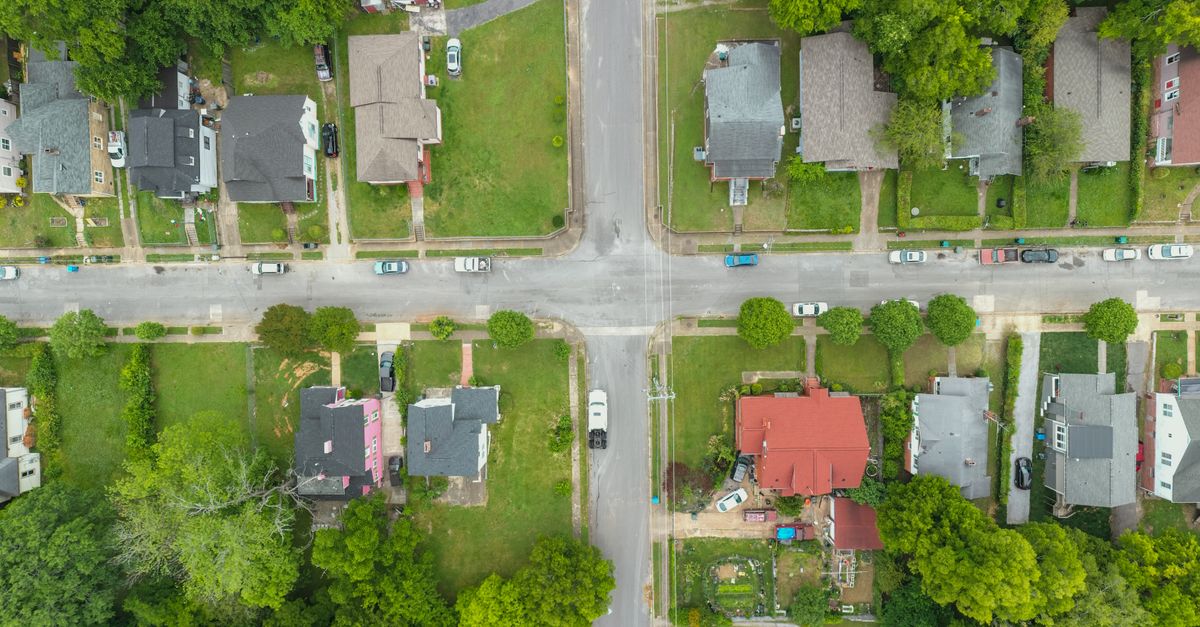
The easiest and most reliable way to find out if gigabit internet is available at your home is to use an online comparison tool that checks all providers at your exact address in a single search. Internet availability is incredibly localized and can differ from one side of the street to the other, so simply knowing which companies serve your city isn't enough. You need to verify serviceability at the address level to see the specific plans and speeds you can actually get.
This is where KonnectX simplifies the entire process. Instead of visiting multiple provider websites and re-entering your address each time, you can check availability on KonnectX once to see a complete list of options. Our tool shows you every plan from every major provider, including fiber, cable, and 5G home internet. If you have questions or are ready to order, you can call our specialists who can compare plans with you live and get you signed up at the exact same price as the providers, with no extra fees. It's the most efficient way to ensure you're choosing the best possible connection for your home.
Key takeaways
- Gigabit internet (1,000 Mbps) is best for large households with multiple streamers, gamers, and remote workers.
- Most users will be well-served by a 300-500 Mbps plan, which costs less.
- Fiber providers like AT&T Fiber and Verizon Fios offer the best gigabit experience with symmetrical upload and download speeds.
- To get full gigabit speeds, you need a modern router (Wi-Fi 6 or newer) and compatible devices.
- The only way to know your true options is to check availability at your specific address.
FAQ
What's the difference between gigabit and fiber internet?
Fiber is the technology used to deliver the internet connection, using light signals through glass strands. Gigabit is a speed tier, referring to a connection speed of 1,000 Mbps. You can get gigabit speeds over fiber or cable, but fiber typically offers superior performance with matching upload speeds.
Is 1 Gig internet good for gaming?
Yes, gigabit internet is excellent for gaming, primarily because it allows you to download massive games and updates very quickly. For online gameplay itself, low latency (ping) is more important than raw speed, but the high bandwidth of a gig plan ensures gaming isn't interrupted by other devices on your network.
Do I need a special modem for gigabit internet?
Yes. For gigabit cable internet, you need a modem that supports the DOCSIS 3.1 standard. For fiber internet, you don't use a modem but an Optical Network Terminal (ONT) that the provider installs to convert the fiber optic signal.
Can I get gigabit speeds over Wi-Fi?
Yes, it is possible to get speeds approaching 1 Gbps over Wi-Fi, but you need a Wi-Fi 6 or Wi-Fi 6E router and a compatible device (like a new smartphone or laptop). However, a direct wired Ethernet connection will almost always be faster and more stable than a wireless one.
Is gigabit internet the same as 1,000 Mbps?
Yes, they are the same. 'Giga' is a prefix meaning one billion. A gigabit is one billion bits, and internet speeds are measured in bits per second. Therefore, 1 gigabit per second (Gbps) is equal to 1,000 megabits per second (Mbps).
Will gigabit internet stop my videos from buffering?
In most cases, yes. A 1,000 Mbps connection provides more than enough bandwidth to stream 4K video without buffering. If you still experience buffering, the issue is likely not your internet speed but rather a weak Wi-Fi signal, an outdated router, an issue with your device, or a problem on the streaming service's end.