Is Koodo Gigabit Internet Available in the US? Your Best Alternatives
Koodo Internet is not available in the US. Discover the best gigabit internet alternatives from top US providers like AT&T Fiber, Verizon Fios, and Xfinity.
Koodo Home Internet, including its gigabit plans, is not available in the United States because Koodo is a Canadian telecommunications company that only operates in Canada. If you're in the US and looking for ultra-fast gigabit speeds, you'll need to explore domestic providers that offer comparable high-speed internet services.
Gigabit internet, which offers download speeds of around 1,000 megabits per second (Mbps), represents the gold standard for residential internet in the US. It provides more than enough bandwidth for even the most demanding households, ensuring smooth 4K streaming, lag-free online gaming, and instantaneous downloads. Top providers like AT&T Fiber, Verizon Fios, Xfinity, and Spectrum offer gigabit-tier plans across the country, with the best options often coming from fiber internet networks.
What Exactly Is Gigabit Internet?
Gigabit internet is a high-speed connection that delivers data at a rate of one gigabit per second (Gbps), which is equivalent to 1,000 megabits per second (Mbps). This tier of service offers a massive leap in performance over the average US internet speed, allowing you to download a full HD movie in under a minute or a large video game in just a few minutes.
To put that speed into perspective, many standard internet plans offer speeds between 100 and 300 Mbps. A gigabit connection is three to ten times faster, providing a virtually seamless online experience. It eliminates buffering, reduces latency for gaming and video calls, and can support dozens of connected devices simultaneously without any slowdown. The key difference between gigabit options is often the upload speed; fiber connections typically offer symmetrical speeds (e.g., 1,000 Mbps download and 1,000 Mbps upload), while cable connections are asymmetrical (e.g., 1,000 Mbps download and 35 Mbps upload).

Who Actually Needs a Gigabit Internet Plan?
Gigabit internet is best for households with multiple heavy internet users, such as large families, serious online gamers, remote workers who transfer large files, and content creators who frequently upload high-resolution video. While it's a powerful upgrade, it's often overkill for individuals or smaller households with more basic internet needs like browsing, email, and streaming on one or two devices at a time.
Consider a gigabit plan if your household regularly engages in several of these activities at once: streaming 4K or 8K video on multiple TVs, competitive online gaming where low latency is critical, video conferencing all day for a home office, backing up large amounts of data to the cloud, or managing a smart home with numerous connected cameras, speakers, and appliances. For these power users, the investment ensures a smooth, frustration-free experience where the internet connection is never the bottleneck. For others, a 300-500 Mbps plan often provides a better balance of performance and price.

Which US Providers Offer the Best Gigabit Internet?
The best gigabit internet in the United States is typically delivered by fiber optic providers like AT&T Fiber and Verizon Fios, which offer symmetrical download and upload speeds. Major cable providers, including Xfinity and Spectrum, also offer widely available gigabit-speed plans, though their upload speeds are significantly slower than their download speeds.
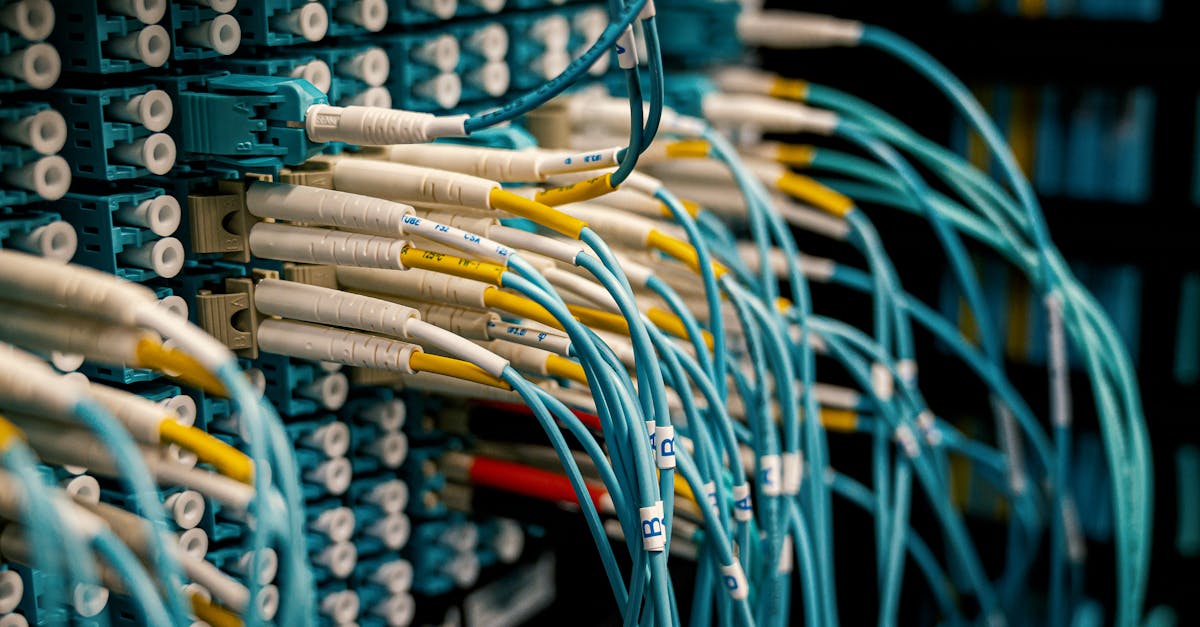
Fiber internet is the superior technology for gigabit speeds. Because it uses light signals transmitted through glass strands, it's incredibly fast, reliable, and offers matching upload and download speeds. This is a huge advantage for video calls, uploading large files, and online gaming. Cable internet, while still very fast for downloading, uses older coaxial cable infrastructure that limits upload capacity. The right provider for you depends entirely on who services your specific address. You can check what's available at your address to see a direct comparison of fiber and cable options in your neighborhood.
| Provider | Technology | Typical Speeds (Download/Upload) | Best For |
|---|---|---|---|
| AT&T Fiber | Fiber | 1,000 Mbps / 1,000 Mbps | Symmetrical speeds and high reliability |
| Verizon Fios | Fiber | Up to 940 Mbps / 880 Mbps | Gamers and remote workers needing fast uploads |
| Xfinity | Cable | Up to 1,200 Mbps / 35 Mbps | Widespread availability and very fast downloads |
| Spectrum | Cable | 1,000 Mbps / 35 Mbps | No-contract plans with fast download speeds |
How Much Does Gigabit Internet Cost in the US?
Gigabit internet plans in the US typically cost between $70 and $120 per month, not including equipment rental fees, taxes, or one-time installation charges. Pricing varies significantly based on your location, the level of local competition, and whether you're signing up with a promotional new-customer discount.
The advertised price is rarely the final price. Most providers offer a low introductory rate for the first 12 or 24 months, after which the price can increase substantially. You should also factor in equipment costs; renting a modem and router from your provider can add $10 to $25 to your monthly bill, though some, like AT&T Fiber, include the equipment in the monthly price. Always read the fine print to understand the full cost after the promotional period ends and whether a long-term contract is required to get the best price. Searching for the latest internet deals can help lock in a lower rate.

Is Gigabit Internet Worth the Extra Cost?
For the right user, gigabit internet is absolutely worth the extra cost for its unparalleled speed and ability to support numerous devices without slowdowns, but for many average households, it's an unnecessary expense. A mid-tier plan offering 300 to 500 Mbps often provides more than enough speed for daily streaming, browsing, and work-from-home needs at a much lower price point.
The decision comes down to your household's specific usage patterns. If you frequently experience buffering during 4K streams, lag during online games, or long waits for file uploads, upgrading to a gigabit plan will solve those problems. However, if your current internet service already feels fast enough, you likely won't notice a significant real-world difference by upgrading to the gigabit tier. It's a classic case of diminishing returns; the performance jump from 100 Mbps to 500 Mbps is far more impactful for most users than the jump from 500 Mbps to 1,000 Mbps.
How Can I Find Gigabit Providers in My Area?
The easiest and most accurate way to find gigabit providers in your area is to use a comprehensive online search tool that compares every available option at your exact home address. Internet availability is highly localized and can differ from one side of the street to the other, so a provider's general service map isn't a reliable indicator.
Services like KonnectX simplify this process. Instead of visiting the websites for Verizon Fios, Spectrum, and other providers one by one, you can enter your address once to see a complete list of every plan and provider available to you. This allows you to compare speeds, pricing, and technology (like fiber versus cable) side-by-side. You can then order service directly over the phone at the same price as going to the provider, saving you time and ensuring you find the best possible deal for your needs.

Compare Gigabit Internet Plans and Order Today
Ready to see if you can get game-changing gigabit speeds at your home? The first step is to discover which providers offer service in your specific area. Since availability for fiber and high-speed cable can be hyper-local, a quick address check is the only way to know for sure.
At KonnectX, we make it simple. Enter your address on our availability page to instantly compare every internet plan from every provider that serves your home. Our experts can walk you through the options, compare promotional offers, and help you order service in a single phone call—all at the same price as the providers and at no extra cost to you. Stop guessing and find the fastest internet for your address today.
Key takeaways
- Koodo is a Canadian internet provider and is not available in the United States.
- The best US alternatives for gigabit internet are fiber providers like AT&T Fiber and Verizon Fios, and cable providers like Xfinity and Spectrum.
- Gigabit internet (1,000 Mbps) is ideal for large households, serious gamers, content creators, and those with many connected devices.
- Fiber optic internet offers symmetrical download and upload speeds, which is a major advantage over cable's slower upload speeds.
- Gigabit plans in the US typically cost between $70-$120 per month, but always check for promotional pricing, equipment fees, and contract terms.
FAQ
Can I get Koodo Internet in the USA?
No, Koodo Home Internet is exclusive to Canada and is not available to customers in the United States. You will need to choose from US-based providers like AT&T, Xfinity, or Verizon.
What is the difference between gigabit fiber and gigabit cable internet?
The main difference is upload speed. Gigabit fiber internet, from providers like AT&T Fiber and Verizon Fios, typically offers symmetrical speeds, meaning your upload speed is as fast as your download speed (e.g., 1,000 Mbps). Gigabit cable has much slower, asymmetrical upload speeds (e.g., 35 Mbps).
Do I need a special router for gigabit internet?
Yes, to get the full benefit of gigabit speeds over Wi-Fi, you need a modern router that supports the latest standards, such as Wi-Fi 6 (802.11ax). Most providers will include a compatible router with your plan, often for a monthly rental fee.
Is 1 Gig internet the same as 1 Gbps?
Yes, '1 Gig' internet is shorthand for a connection speed of 1 gigabit per second, or 1 Gbps. This is also equivalent to 1,000 megabits per second (Mbps).
How much faster is gigabit internet than what I have now?
Gigabit internet is significantly faster than the average US internet connection. If you currently have a 100 Mbps plan, a gigabit plan is ten times faster. This means large downloads that took minutes will now take seconds.
Can I get gigabit internet everywhere?
No, gigabit internet availability is still limited. While it's common in most urban and suburban areas, it is often unavailable in rural locations. The best way to know for sure is to check availability at your specific address.
Is T-Mobile 5G Home Internet a gigabit service?
While T-Mobile's 5G Home Internet service can be very fast, it typically does not offer consistent gigabit speeds. Most users experience speeds between 100-300 Mbps, though it can sometimes be higher depending on network conditions and proximity to a 5G tower.