
Is Fiber Internet Worth It for Gaming? A Gamer's Guide to Speed and Latency
Fiber internet offers the lowest latency and fastest speeds, making it the ultimate choice for serious online gaming. Is it worth the upgrade? We break it down.
In the heat of an online match, the last thing you want is your connection failing you. A sudden lag spike, a jump in your ping, or a complete disconnection can be the difference between a glorious victory and a frustrating defeat. For years, gamers have been told that a faster internet connection is the answer, but the truth is a bit more complicated. It’s not just about raw download speed; it's about the quality and responsiveness of your connection. This is where fiber optic internet enters the conversation, promising a level of performance that other technologies struggle to match.
But is upgrading to fiber really necessary for a great gaming experience? With fast cable and convenient 5G home internet options available, it's a valid question. This guide will cut through the marketing jargon to give you a clear, honest answer. We'll explore what actually matters for gaming internet, how fiber technology delivers on those needs, and how it stacks up against the alternatives. By the end, you'll understand whether fiber is the right investment to elevate your online gaming from good to unbeatable.
What Really Matters for Gaming Internet? (It's Not Just Speed)
When shopping for internet, most people focus on one number: download speed, measured in megabits per second (Mbps). While a high download speed is essential for quickly downloading massive games and updates—which can easily exceed 100 GB—it's not the most critical factor for your actual in-game performance. A 300 Mbps plan and a 1,000 Mbps (1 Gig) plan might feel identical during an online match if all other factors are equal. The real culprits behind game-ruining lag are latency, jitter, and upload speed.
Latency, often called 'ping,' is the time it takes for data to travel from your device to the game server and back. Measured in milliseconds (ms), a lower ping is always better, as it means your commands are registered almost instantly. Jitter is the variation in your ping over time; a stable, consistent ping is just as important as a low one. Finally, upload speed determines how quickly you can send data from your computer to the internet. This is crucial for your actions being sent to the server and is absolutely vital if you stream your gameplay on platforms like Twitch or Discord.

How Fiber Internet Delivers Ultra-Low Latency
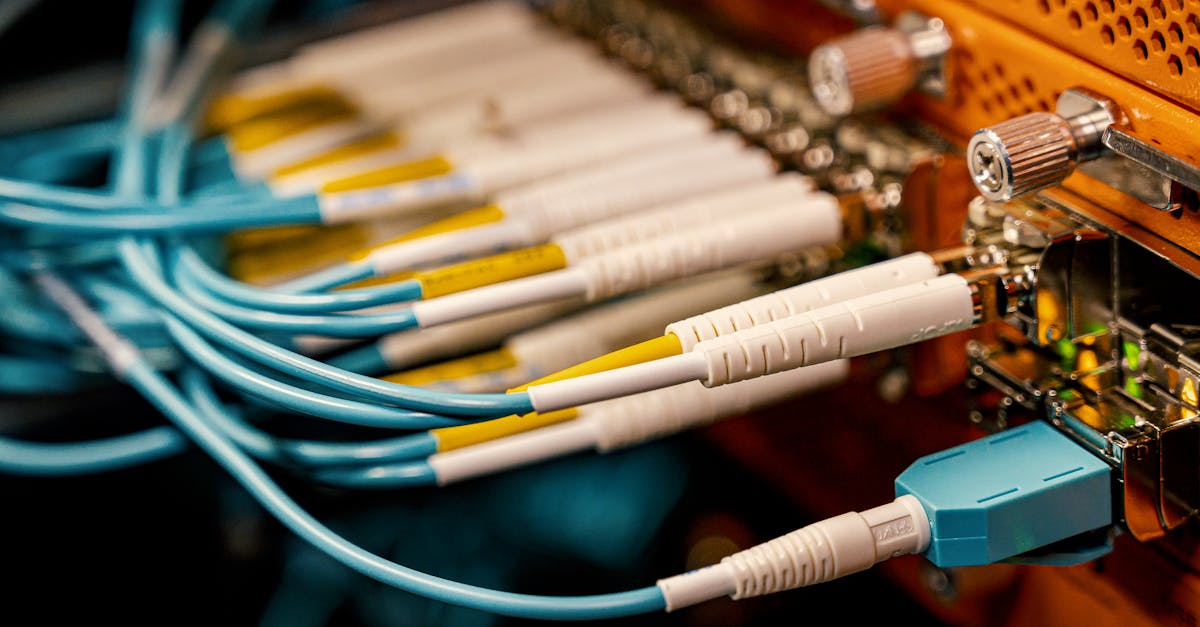
Fiber optic internet achieves its superior performance thanks to its underlying technology. Unlike cable internet, which sends electrical signals over copper wires, or 5G, which uses radio waves, fiber transmits data as pulses of light through incredibly thin strands of glass. Because data travels at nearly the speed of light and is less susceptible to external interference, fiber connections can offer astonishingly low latency. For a gamer, this translates to a ping that is often in the single digits or low double-digits, creating a near-instantaneous connection to the game server.
This technological advantage is the core reason fiber is considered the gold standard for competitive gaming. The stability of a fiber optic line means jitter is also minimized, so you won't experience the random, frustrating lag spikes that can plague other connection types. Furthermore, most fiber plans, such as those from AT&T Fiber or Verizon Fios, offer symmetrical speeds. This means your upload speed is just as fast as your download speed. A 1 Gig plan provides 1,000 Mbps down and 1,000 Mbps up, ensuring your gameplay is uploaded to the server and your stream is sent to your audience without a hitch.
Fiber vs. Cable Internet for Gaming
For many years, cable internet has been the go-to choice for fast, reliable home internet, and modern cable systems from providers like Xfinity and Spectrum can deliver gigabit-level download speeds that are more than sufficient for gaming. For a casual gamer, a high-quality cable connection can provide a perfectly enjoyable experience. However, when you compare the underlying infrastructure to fiber, key differences emerge that matter for competitive play.
Cable internet typically uses a shared network architecture, meaning you share bandwidth with other homes in your neighborhood connected to the same node. During peak usage hours (usually evenings and weekends), you might experience slowdowns and increased latency as more people get online. Cable's copper wiring is also more susceptible to electrical interference and signal degradation over distance. While cable companies have made huge strides in improving their networks, the physics of the technology mean that fiber will almost always have a lower, more stable ping.
The verdict is clear: while a top-tier cable plan is a viable and often excellent option for gaming, fiber holds the technical edge. Its dedicated line (or less-shared architecture) and light-based data transmission provide a more consistent, responsive connection that serious gamers crave. If both are available at your address for a similar price, fiber is the superior choice for gaming.
Can 5G Home Internet Compete with Fiber for Gaming?
5G home internet, offered by carriers like T-Mobile and Verizon, is an exciting technology that uses cellular networks to deliver high-speed internet wirelessly to your home. It's a fantastic solution for areas with limited wired options and offers impressive download speeds. But when it comes to the specific demands of fast-paced online gaming, its wireless nature presents some challenges.
The primary issue for gamers is latency. Wireless signals, by their nature, are more prone to interference and variability than a physical line running directly to your home. Factors like your distance from the cell tower, physical obstructions (walls, trees), weather, and network congestion can all impact your signal quality, leading to higher and less stable ping times. While 5G latency is a massive improvement over older cellular technology and satellite internet, it generally can't match the rock-solid consistency of a wired fiber or even a cable connection.
For casual gaming, browsing, and streaming, 5G home internet can be a great fit. It's simple to set up and can be very fast. However, for competitive online games where every millisecond counts—like first-person shooters or fighting games—the potential for higher latency and jitter makes it a less ideal choice than a wired fiber connection. It's an excellent alternative, but not the ultimate solution for hardcore gamers.

The Importance of Unlimited Data and a Stable Connection
Beyond raw performance metrics, two other factors are hugely important for a stress-free gaming life: connection stability and data caps. Fiber optic connections are inherently more durable and reliable than other types. They are immune to the electrical interference that can affect copper cable lines and are less impacted by severe weather than satellite or fixed wireless services. This means fewer unexpected disconnects during a critical moment.
Perhaps even more importantly, the size of modern games makes data caps a major concern. A single new game can be over 150 GB, and frequent patches and updates add up quickly. If you download just a few new titles a month, you could easily exceed the 1.2 TB data cap common on some cable plans. Many fiber internet providers, including Frontier and AT&T, offer plans with unlimited data as a standard feature. This freedom from worrying about overage fees is a massive quality-of-life improvement for any serious gamer.
How to Find the Best Fiber Plan for Gaming at Your Address
The biggest barrier to getting fiber internet isn't cost—it's availability. Building out fiber optic networks is a massive undertaking, and as a result, coverage can be inconsistent, varying from one neighborhood to the next. You might have access to AT&T Fiber, while a friend across town might only have Spectrum cable or T-Mobile 5G Home Internet. There's no single provider that covers everyone.
This is where finding the right plan can get complicated. You could spend hours visiting the websites of every potential provider, entering your address again and again to see who services your home. A much simpler approach is to use a service like KonnectX. We allow you to check your address once and see all the available options in your area—from fiber and cable to 5G and satellite—all in one place. It simplifies the comparison process so you can easily see the speeds, terms, and providers you qualify for.
Once you've compared your options and are ready to make a choice, KonnectX can help you complete your order over the phone. You get the same pricing and promotions as you would by going directly to the provider, but without the hassle of navigating different websites or sales processes. It’s a straightforward way to ensure you’re getting the best gaming internet actually available at your home.

Key takeaways
- For online gaming, low latency (ping) and stability are more important than raw download speed.
- Fiber internet provides the lowest latency and most stable connection because it transmits data as light over glass cables.
- Fiber's symmetrical upload/download speeds are a major advantage for anyone who streams their gameplay on platforms like Twitch.
- While high-speed cable is a good alternative, it can be prone to network congestion and higher latency than fiber.
- Fiber availability is highly specific to your address; using a comparison service can help you see every option in one place.
FAQ
What is a good ping for gaming?
For a competitive edge in fast-paced games, a ping under 40ms is ideal. A ping under 20ms is excellent. Anything over 100ms will result in noticeable lag. Fiber internet connections can often achieve ping times in the single digits.
Is 100 Mbps fast enough for gaming?
Yes, a download speed of 100 Mbps is more than enough for playing online games. The actual gameplay uses very little bandwidth. Higher speeds are beneficial for downloading large games and updates faster and for households where multiple people are streaming or using the internet at once.
Does fiber internet really reduce lag?
Yes, significantly. Lag is primarily caused by high latency (ping), and fiber optic technology offers the lowest latency of any internet type. This results in a more responsive and smoother gaming experience.
Is AT&T Fiber good for gaming?
Yes, AT&T Fiber is widely considered one of the best internet services for gaming. It offers symmetrical speeds, extremely low latency, and high reliability, making it an excellent choice for competitive and casual gamers alike.
Do I need a special router for fiber internet gaming?
Your fiber provider will supply a gateway (a modem/router combo) that is compatible with their service. For optimal performance, especially over Wi-Fi, using a modern Wi-Fi 6 or Wi-Fi 6E gaming router can help ensure you get the full benefit of your fiber connection's speed and stability.
Can I game on Wi-Fi with a fiber connection?
You can, but a wired Ethernet connection will always provide the most stable and lowest-latency experience. If you must use Wi-Fi, use the 5 GHz band (or 6 GHz for Wi-Fi 6E) and position your router as close to your gaming device as possible to minimize interference.
Is fiber better than cable for a household with multiple gamers?
Absolutely. Fiber's high bandwidth, symmetrical speeds, and low latency handle multiple simultaneous high-demand connections much better than most cable plans. This means multiple people can game, stream, and download without impacting each other's performance.