
Is Fiber Internet Worth It? A 2026 Guide to Speed, Cost, and Value
Fiber internet offers incredible speed and reliability, but is it worth the cost? We break down the pros, cons, and how to decide if it's right for you.
Fiber optic internet is widely considered the gold standard for home connectivity, promising lightning-fast speeds, incredible reliability, and a connection that can handle anything you throw at it. For years, it was a premium service available only in select areas. But as networks expand and prices become more competitive, more and more people are facing a new choice: is it finally time to upgrade to fiber?
This guide will help you answer that question. We'll cut through the technical jargon to explain what makes fiber different, who actually needs its top-tier performance, and how its cost compares to familiar options like cable and 5G home internet. Making the right choice starts with knowing your options, and the very first step is seeing which providers, including fiber, are even available at your address. From there, you can weigh the benefits against the cost to decide if fiber is truly worth it for your household.
What Exactly Is Fiber Optic Internet?
To understand why fiber is different, it helps to know how it works. Traditional internet services like cable and DSL deliver data using electrical signals sent over copper wires. Cable internet uses the same coaxial cables that deliver TV service, while DSL uses old-fashioned telephone lines. These technologies are effective, but they have physical limitations and are susceptible to signal degradation over distance and electrical interference.
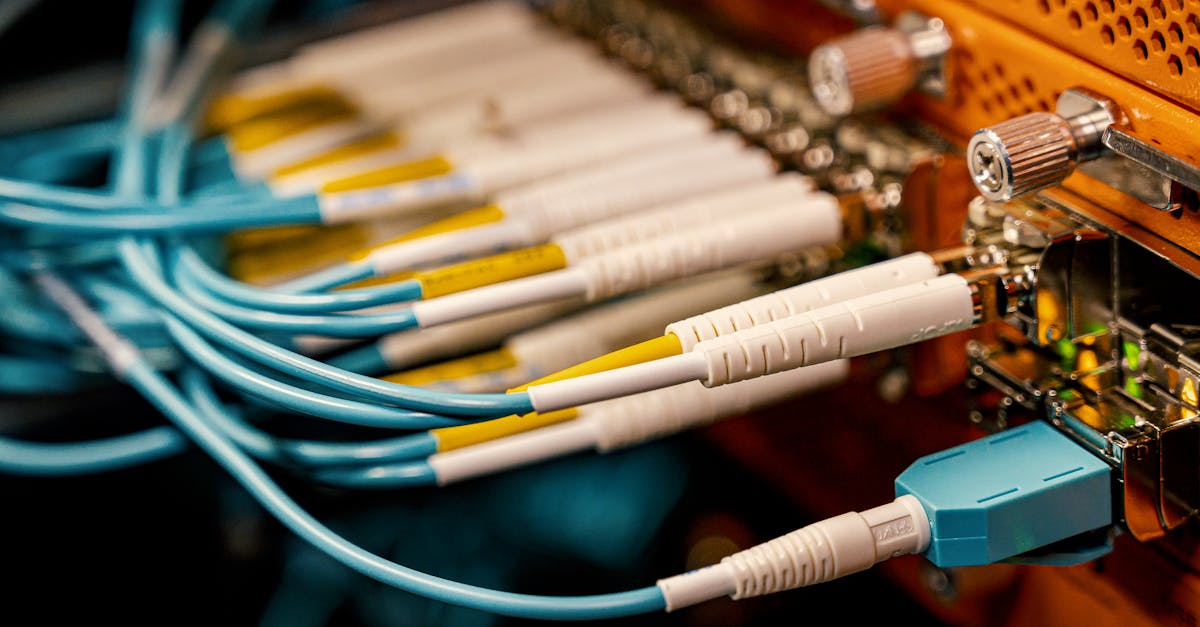
Fiber optic internet, on the other hand, uses a completely different method. It transmits data as pulses of light through incredibly thin strands of glass. This technology allows for a massive amount of data to be sent over much longer distances with virtually no loss in signal quality. Because it uses light instead of electricity, it's immune to the radio frequency interference that can affect cable and is far more durable and reliable. This fundamental difference in technology is what enables fiber's superior speed and performance.
The Speed Advantage: Symmetrical Uploads and Downloads
The most talked-about benefit of fiber is its incredible speed, but the key advantage isn't just about the download number. Fiber internet is famous for its 'symmetrical' speeds, which means your upload speed is just as fast as your download speed. A typical 1 Gig fiber plan, for example, provides 1,000 Mbps for downloading and 1,000 Mbps for uploading.
Why does this matter? While downloading is what you do when you stream a movie or browse a website, uploading is crucial for modern internet use. Fast upload speeds make video calls on Zoom or FaceTime crystal clear, allow you to back up your computer to the cloud in minutes instead of hours, and are essential for content creators uploading large video files. Cable internet plans, in contrast, are 'asymmetrical' and typically offer upload speeds that are only a small fraction of their download speeds. This symmetrical performance is a game-changer for households with remote workers, students, or anyone who frequently shares large files.
More Than Just Speed: Reliability and Low Latency
While speed gets the headlines, fiber's other performance benefits are just as important. One of the biggest is reliability. Cable internet bandwidth is often shared among a group of homes in a neighborhood. During peak hours, like in the evening when everyone is streaming, you can experience slowdowns as you compete for bandwidth. Fiber optic connections typically provide a dedicated line to your home, meaning your speed is consistent and unaffected by your neighbors' usage.
Fiber also offers the lowest latency (also called 'ping') of any internet technology. Latency is the tiny delay it takes for data to travel from your device to a server and back. While measured in milliseconds, high latency is what causes that frustrating lag during online gaming or the awkward pauses in a video call. Because fiber sends data at the speed of light with minimal interference, it delivers an ultra-responsive connection that makes gaming, video conferencing, and even web browsing feel instantaneous.

Analyzing the Cost: Is Fiber More Expensive?
There's a common perception that fiber internet is significantly more expensive than cable. While this was true in its early days, the landscape has changed dramatically. As providers like AT&T, Frontier, and Verizon expand their fiber networks, increased competition has driven prices down significantly.
Today, it's common to find a 1 Gig fiber plan priced similarly to, or even cheaper than, a top-tier cable plan from providers like Xfinity or Spectrum that offers similar download speeds (but much slower uploads). Many providers offer aggressive introductory pricing to attract new customers. The key is to compare the full picture: the promotional price, the standard price after the first year, and any equipment fees. By comparing all available plans at your address, you can get a clear view of the real-world cost and might be surprised to find that the best-performing option isn't the most expensive.

Who Benefits Most From a Fiber Connection?
With its top-tier performance, is fiber overkill for some people? Possibly. The real question is whether your household's internet habits can take advantage of what fiber offers. For some, a reliable cable or 5G home internet plan is more than enough. For others, fiber is a necessity.
Fiber is worth it if you fall into one of these groups:
By honestly assessing your household's daily usage, you can determine if you're the type of user who would notice and appreciate the significant performance leap that fiber provides.
- The Power-User Household: Multiple people are online at once, streaming in 4K, playing competitive online games, and on video calls. Fiber ensures there's more than enough bandwidth for everyone without buffering or lag.
- The Remote Worker or Creator: You rely on a stable connection for video conferencing and frequently upload large files, videos, or designs to the cloud. The symmetrical speeds are a massive quality-of-life improvement.
- The Competitive Gamer: You need the absolute lowest latency to react in real-time. Fiber's ultra-low ping provides a clear competitive advantage.
- The Future-Proofer: You have a smart home full of connected devices and want a network that's ready for next-generation technology like 8K streaming, cloud gaming, and virtual reality.
How to Find Out if You Can Get Fiber
The single biggest obstacle to getting fiber internet is availability. Building out the physical infrastructure is a massive and expensive undertaking for providers, which means it's still not an option for a large portion of the country, particularly in rural areas. Unlike cable or DSL, which were built on existing networks, fiber requires laying new lines, street by street.
The only way to know for sure if you can get fiber is to check your specific address. Service availability can vary even between neighbors on the same street. This is where a service like KonnectX can simplify your search. Instead of checking with each provider individually, you can enter your address once to see every internet option available to you—from fiber providers like AT&T Fiber and Verizon Fios to cable, 5G home internet, and satellite. This allows you to instantly see if fiber is an option and, if not, compare the next-best alternatives to find the right plan for your needs and budget, all in one place.
Key takeaways
- Fiber offers symmetrical speeds, meaning uploads are as fast as downloads, which is a major advantage for video calls, gaming, and sharing large files.
- Beyond speed, fiber is the most reliable type of internet, with lower latency and less congestion during peak usage hours compared to cable.
- The biggest disadvantage of fiber is its limited availability; you must check your specific address to see if providers have built out the network in your area.
- While once a premium service, fiber plans are now often priced competitively with high-speed cable plans, offering far superior performance for a similar cost.
- Households with multiple heavy users, remote workers, and competitive gamers will see the most significant and immediate benefits from upgrading to fiber.
FAQ
Is 1000 Mbps fiber internet worth it?
For most modern households, yes. A 1000 Mbps (1 Gig) plan provides more than enough bandwidth for several people to stream in 4K, work from home, and game online simultaneously without any slowdowns. It's a great way to future-proof your home network.
What is the main disadvantage of fiber optic internet?
The primary disadvantage is its limited availability. Building the physical fiber optic network is expensive and time-consuming, so it is not yet available at every address, especially in more rural or less densely populated areas.
Is fiber internet better than cable?
From a pure performance standpoint, yes. Fiber is superior to cable because of its symmetrical upload and download speeds, lower latency (ping), and greater reliability with less network congestion. However, a high-speed cable plan is still an excellent and reliable option if fiber isn't available in your area.
Do I need a special router for fiber internet?
Your internet provider will supply a gateway or router that is compatible with their fiber service. To take full advantage of gigabit speeds wirelessly throughout your home, you'll want to use a modern router that supports at least Wi-Fi 6 technology.
How much faster is fiber than 5G home internet?
Fiber is generally faster and always more consistent than 5G home internet. While 5G can achieve high download speeds, its performance, latency, and upload speeds can fluctuate based on your distance from the cell tower and local network congestion. Fiber provides a stable, dedicated line with consistently faster speeds and much lower latency.
Does fiber internet increase home value?
While it may not add a specific dollar amount to your home's price, access to fiber optic internet is a very attractive feature for potential buyers. In an age of remote work and connected homes, it's a powerful selling point that can make your property more desirable on the market.