

Best Fiber Internet Providers of 2026: A Complete Guide
Find the best fiber optic internet in 2026. Our guide compares top providers like AT&T, Google Fiber, and Verizon Fios to help you find the fastest speeds in your area.
The best fiber optic internet providers in the US for 2026 are AT&T Fiber, Google Fiber, and Verizon Fios, though the top choice for you depends entirely on which of these is available at your specific address. Fiber offers unmatched speed and reliability, delivering a connection that’s faster and more consistent than cable, 5G, or satellite internet. It's the current gold standard for home connectivity, providing a future-proof foundation for everything you do online.
Unlike older internet technologies that use copper wires, fiber optic internet uses light signals sent through thin strands of glass. This allows for symmetrical download and upload speeds that can easily exceed 1,000 Mbps (1 Gig). This guide will walk you through the top fiber providers, explain how to find out who services your home, compare common plans and pricing, and help you decide which speed tier is truly right for your needs.
What Makes Fiber Internet the Gold Standard?
So what makes fiber the undisputed champion of internet technology? It comes down to three core advantages: speed, latency, and reliability. Because fiber optic cables transmit data as pulses of light through glass, they can handle vastly more information at faster speeds than the electrical signals used by cable and DSL internet. This technology allows for symmetrical speeds, meaning your upload speeds are just as fast as your download speeds. This is a game-changer for video calls, online gaming, and uploading large files like work presentations or family videos.
Furthermore, fiber connections have extremely low latency (or 'ping'), which is the time it takes for a signal to travel from your computer to a server and back. For gamers, low latency means less lag and a more responsive experience. For everyone else, it translates to snappier web browsing and near-instantaneous video call connections. Finally, fiber is incredibly reliable. The glass strands are not susceptible to the electromagnetic interference that can affect copper cables, and they are more durable and resistant to weather-related outages, giving you a more stable and consistent connection day in and day out.

America's Top Fiber Internet Providers in 2026
While dozens of companies are building out fiber networks, a few national and regional leaders stand out for their widespread availability and excellent performance. Keep in mind that even the largest providers are only available in specific regions, making an address-level check essential.
AT&T Fiber is currently the largest fiber provider in the United States, serving over 20 states. They are known for their straightforward pricing and industry-leading multi-gigabit plans, offering speeds up to 5 Gigs in many areas. Google Fiber, while having a smaller footprint focused on select metro areas, is often credited with pushing the industry forward. They are famous for simple, transparent plans (typically 1 Gig, 2 Gig, and higher) with no data caps or equipment fees. Verizon Fios is another top contender, consistently earning high marks for customer satisfaction and reliability. Its network is concentrated primarily in the Northeast, offering a wide range of speed tiers and often bundling services with perks and discounts.
Beyond the big three, providers like Frontier Fiber are aggressively expanding and upgrading their networks, offering competitive speeds and pricing in many parts of the country. Quantum Fiber (the fiber brand for CenturyLink) and a growing number of local and regional companies also provide excellent fiber service. The best provider is always the one that offers the best performance and value at your front door.
The Crucial First Step: Checking Availability at Your Address
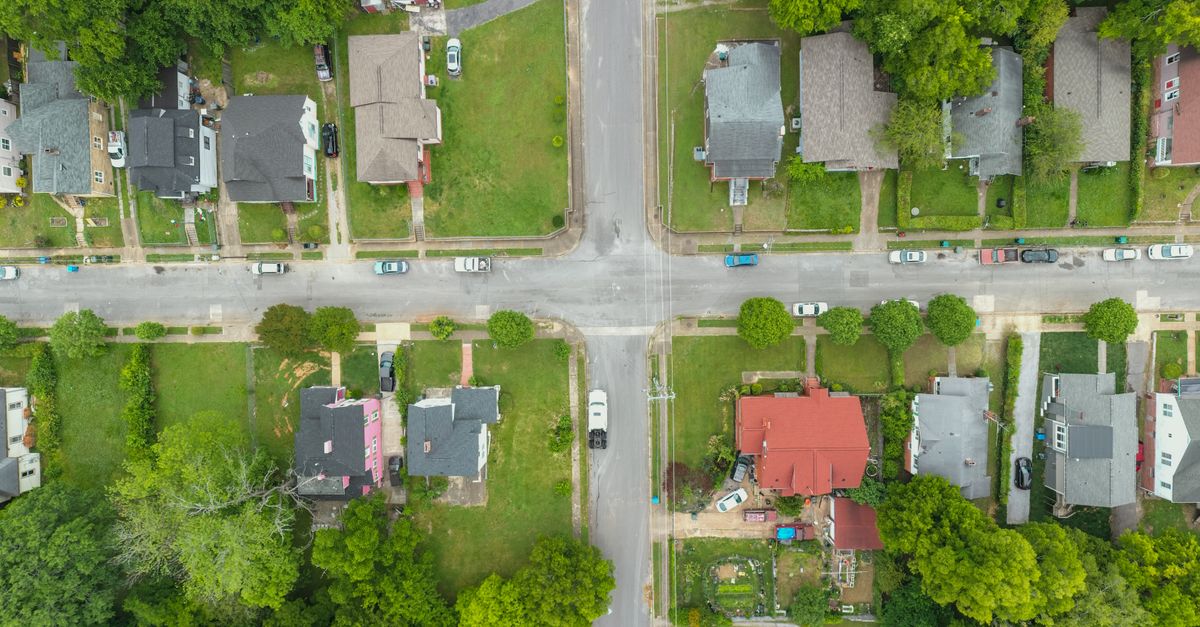
Fiber optic deployment is a complex, expensive process. As a result, availability is not determined by city or even ZIP code, but by neighborhood and sometimes even individual street. It's common for one side of a street to have access to blazing-fast fiber while the other side is still limited to older cable or DSL connections. This hyper-local nature of availability is the single biggest challenge for consumers looking to upgrade.
Because of this, provider-level availability maps can be misleading. The only way to know for certain what’s available is to perform a search using your exact street address. Instead of visiting multiple provider websites and re-entering your information each time, you can use a comprehensive comparison service like KonnectX. By entering your address once, you can see a full list of every internet option available to you—from every fiber provider to cable, 5G home internet, and satellite. This allows you to compare plans, speeds, and pricing side-by-side to make a truly informed decision.
Choosing the Right Fiber Speed Tier
Once you've confirmed fiber is available, the next step is choosing a speed. Providers typically offer several tiers, and picking the right one ensures you're not overpaying for bandwidth you don't need. While multi-gig plans sound impressive, most households will be more than satisfied with a plan in the 300 Mbps to 1 Gig range.
Your choice depends on how many people and devices will be using the internet simultaneously. A slower plan is perfect for basic browsing and streaming, while a faster plan is necessary for data-intensive tasks across multiple devices. Remember, with fiber's symmetrical speeds, even a 300 Mbps plan provides upload performance that far surpasses most cable internet packages.
| Speed Tier | Typical Symmetrical Speeds | Best For |
|---|---|---|
| 300 Mbps | 300 Mbps download / 300 Mbps upload | Small households (1-3 people), 4K streaming on one or two devices, web browsing, and remote work. |
| 500 Mbps | 500 Mbps download / 500 Mbps upload | Average families (3-5 people), multiple 4K streams, competitive online gaming, and households with several smart home devices. |
| 1 Gig (1,000 Mbps) | ~940 Mbps download / ~940 Mbps upload | Large households, tech enthusiasts, content creators uploading large files, and running many connected devices simultaneously. |
| 2-5 Gigs+ | 2,000-5,000 Mbps download / upload | Power users, home-based businesses with heavy data needs, and future-proofing for next-generation applications like AR/VR. |
Decoding Fiber Internet Costs: What You'll Really Pay
One of the best aspects of the competitive fiber market is more transparent pricing. Most leading fiber providers have moved away from the complex bills that plague other internet types. Still, it's important to understand the components of your monthly cost. Standard fiber plans typically range from around $50 per month for entry-level speeds to $100 or more for gigabit and multi-gigabit service.
Many providers offer a lower promotional price for your first 12 or 24 months. Always ask what the standard rate will be after this introductory period ends so you can budget accordingly. The good news is that hidden fees are less common with fiber. Most major providers include the necessary equipment (like the Optical Network Terminal and Wi-Fi router) at no extra cost, have eliminated data caps, and frequently offer free professional installation. This straightforward approach makes it easier to compare the true cost of service between providers.

Do You Actually Need Gigabit Internet?
The 1 Gig plan has become the flagship offering for most fiber providers, but is it overkill? For the majority of American households, the answer is yes. While having a gigabit connection is impressive, very few online activities can actually take full advantage of that much speed. A 4K Netflix stream only requires about 25 Mbps, and even the most demanding online games use a fraction of that. A 300 or 500 Mbps plan provides more than enough bandwidth for a typical family to stream, game, work, and learn from home without any slowdowns.
So, who actually needs a gigabit or multi-gigabit plan? The primary beneficiaries are 'power users' and households with very specific needs. This includes content creators who regularly upload massive 4K video files, software developers compiling large codebases, or data scientists working with huge datasets. It's also beneficial for large households where you might have five or more people simultaneously streaming in 4K, downloading large game files, and video conferencing. For everyone else, choosing a more modest speed tier is a smart way to save money while still enjoying the immense benefits of a fiber connection.

Find Your Best Fiber Plan and Get Connected
Now that you understand the benefits of fiber, the top providers, and how to choose the right speed, the final step is to see what's available for you. Because availability is so specific, the only way to know for sure is to check your address. This simple action cuts through all the advertising and speculation and gives you a concrete list of your real options.
KonnectX makes this easy. Enter your address on our site to instantly see a complete list of fiber, cable, and 5G providers servicing your home. If you prefer to talk it through, our experts are available by phone to answer your questions, compare your options side-by-side, and help you order new service at the exact same price as going directly to the provider. We do the research so you can get connected with confidence.
Key takeaways
- The best fiber internet providers include AT&T Fiber, Google Fiber, and Verizon Fios, but your options depend entirely on your specific address.
- Fiber optic technology offers superior symmetrical speeds, lower latency, and greater reliability compared to cable or 5G home internet.
- Most households don't need gigabit speeds; 300-500 Mbps plans provide excellent performance for streaming, gaming, and remote work.
- Fiber plans typically range from $50 to $100+ per month, often with no data caps or equipment fees, but be aware of price increases after promotional periods.
- The only way to know which fiber providers are available to you is to check your specific address with an online comparison tool.
FAQ
How do I know if fiber internet is in my area?
The most reliable way is to use an online availability checker, like the one on KonnectX or directly on provider websites, by entering your full street address.
Is fiber internet faster than 5G home internet?
Yes, fiber is generally faster and significantly more reliable than 5G home internet. Fiber offers dedicated bandwidth to your home with much lower latency, while 5G is a shared wireless connection that can be affected by network congestion and signal strength.
What is a good speed for fiber internet?
For most households, 300 Mbps to 500 Mbps is a great speed that can handle multiple 4K streams, online gaming, and remote work. Gigabit (1,000 Mbps) plans are best for very large households or users who frequently upload large files.
Is fiber internet worth the cost?
For most people, yes. Fiber offers a superior online experience with faster uploads and better reliability for a price that is often competitive with high-speed cable plans. Its performance and consistency make it a worthwhile investment.
Do I need a special router for fiber internet?
You will need a specific device called an Optical Network Terminal (ONT) that the provider installs. From the ONT, you can typically connect your own Wi-Fi router, though most providers include a compatible router with your service.
Can I get fiber internet in a rural area?
It's less common, but fiber is expanding into some rural areas through government funding and local cooperatives. However, availability is still very limited compared to urban and suburban locations. Satellite or 5G may be more likely options.
What is the difference between AT&T Fiber and Verizon Fios?
Both are excellent fiber services. The main difference is their coverage area. Verizon Fios is concentrated in the Northeast US, while AT&T Fiber has a much larger footprint across more than 20 states, primarily in the South, Midwest, and West Coast.
How long does fiber installation take?
A standard installation by a technician can take between 2 and 4 hours. It involves running a new fiber optic line from the street to your home and setting up the indoor equipment, including the ONT.

