
Fiber vs. Cable Internet: Which Is the Best Buy in 2026?
Deciding between fiber and cable internet? Fiber is the superior technology for speed and reliability, but cable offers a great value and is more widely available.
Fiber optic internet is generally the best buy for most households in 2026 due to its superior speed, reliability, and future-proof technology. However, high-speed cable internet remains an excellent and more widely available alternative that offers fantastic value for the price.
The choice between these two powerful technologies ultimately comes down to what's available at your specific address, your household's internet habits, and your budget. While fiber represents the gold standard for home connectivity, cable's extensive network means it's often the fastest and most reliable option for millions of Americans. This guide will break down the key differences in performance, price, and availability to help you decide which connection is the right buy for your home.
What Is Fiber Optic Internet and How Does It Work?
Fiber optic internet transmits data as pulses of light through hair-thin strands of glass. This technology is fundamentally different from cable, which uses electrical signals over copper coaxial wires. Because light travels incredibly fast and with minimal signal degradation over long distances, fiber connections can deliver breathtaking speeds and remarkable consistency.
The defining feature of fiber internet is its symmetrical speeds, meaning your upload speeds are just as fast as your download speeds. This is a game-changer for modern internet use, from seamless 4K video calls to uploading large work files and live-streaming video games. Major providers leading the fiber expansion in the U.S. include AT&T Fiber, Verizon Fios, Frontier Fiber, and Google Fiber, all pushing multi-gigabit speeds in a growing number of cities.

Understanding Cable Internet: The Established High-Speed Choice
Cable internet has been the backbone of high-speed internet in the U.S. for decades. It operates over the same coaxial cable network that delivers cable television, which is why it's so widely available. Providers like Xfinity from Comcast, Spectrum, and Cox have invested heavily in upgrading their networks using a standard called DOCSIS (Data Over Cable Service Interface Specification) to deliver gigabit-level download speeds.
The primary characteristic of cable internet is its asymmetrical speeds. While download speeds can be very fast, often matching lower-tier fiber plans, upload speeds are significantly slower. This is because the network infrastructure was originally designed for one-way content delivery (like TV broadcasts). Additionally, bandwidth on a cable line is shared with other homes in your immediate neighborhood, which can sometimes lead to slowdowns during peak usage hours, like evenings when everyone is streaming.
Head-to-Head Comparison: Fiber vs. Cable Internet
When you place fiber and cable side-by-side, the advantages of fiber's newer technology become clear, especially regarding upload performance and reliability. However, cable's widespread availability and competitive download speeds keep it a top contender for most American homes. The table below outlines the key distinctions to help you weigh your options.
| Feature | Fiber Optic Internet | Cable Internet |
|---|---|---|
| Technology | Light signals over glass fiber | Electrical signals over coaxial copper cable |
| Download Speed | Excellent (typically 300 Mbps – 8,000 Mbps) | Excellent (typically 100 Mbps – 2,000 Mbps) |
| Upload Speed | Symmetrical (Same as download) | Asymmetrical (Much slower than download) |
| Reliability & Latency | Extremely reliable with very low latency (ping) | Reliable, but can slow during peak hours; higher latency |
| Availability | Limited but rapidly growing | Widely available across the U.S. |
| Best For | Work-from-home, gaming, content creators, large families | Streaming, browsing, general home use, budget-conscious buyers |

Speed and Performance: Why Symmetrical Uploads Matter
For years, internet marketing focused almost exclusively on download speed. But as our online activities have evolved from passive consumption to active participation, upload speed has become critically important. This is where fiber truly shines. With symmetrical speeds, a 1,000 Mbps fiber plan gives you 1,000 Mbps for downloads and 1,000 Mbps for uploads. A comparable gigabit cable plan might offer 1,000 Mbps for downloads but only 35-50 Mbps for uploads.
Why does this matter? Consider a typical household in 2026. One person is on a Zoom call for work, another is uploading a video project for school, and a third is live-streaming on Twitch. All of these activities depend heavily on upload bandwidth. Slow uploads can result in glitchy video calls, painfully long file transfers, and a frustrating experience for your viewers. Fiber's low latency, or 'ping,' also provides a smoother, more responsive feel in online gaming and other real-time applications, giving you a competitive edge.

Pricing and Value: What to Expect on Your Monthly Bill in 2026
When comparing the cost of fiber and cable, the advertised monthly price is only part of the story. In 2026, introductory pricing for both fiber and cable plans typically ranges from around $50 to $90 per month for speeds between 300 Mbps and 1,000 Mbps. However, several factors can affect your final bill.
Be aware of promotional periods that expire after 12 or 24 months, often leading to a significant price hike. Also, check for equipment rental fees, which can add $10-$15 per month to your bill, though some fiber providers like AT&T and Verizon now include the router at no extra cost. Data caps are another consideration; while increasingly rare, they are more common with cable providers than fiber providers, who almost always offer unlimited data. To find the best value, it's crucial to compare the 'all-in' price, including fees and post-promo rates. Services like KonnectX help by laying out all the provider options at your address, making it easier to compare total long-term costs.

Availability: The Deciding Factor for Most Homes
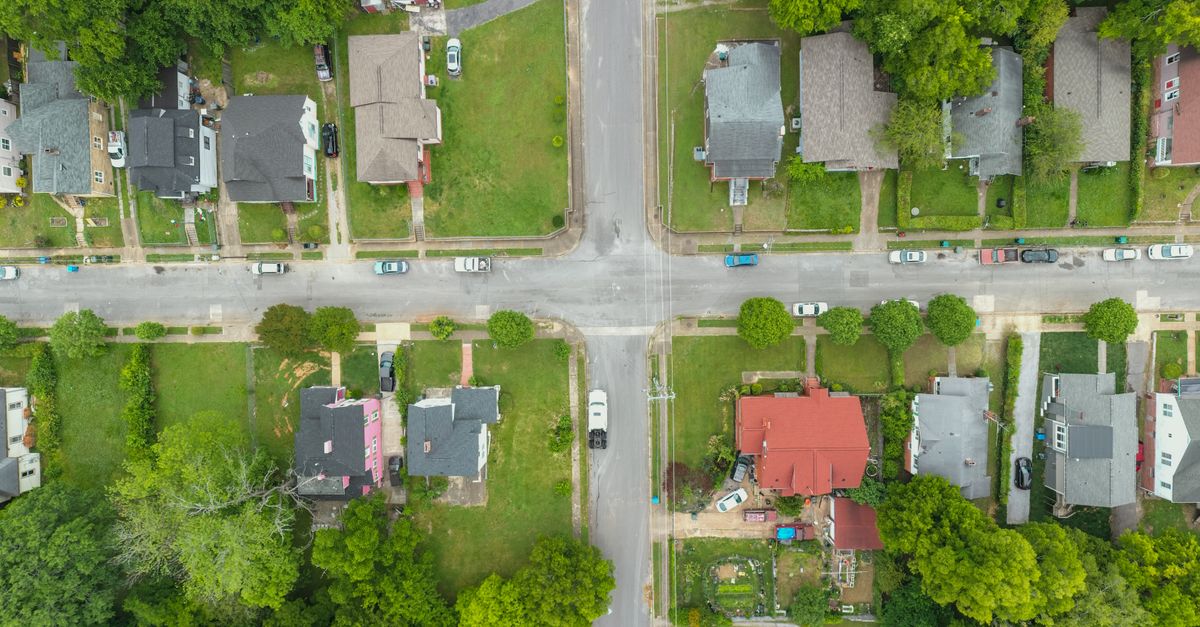
For all of its technological superiority, fiber internet has one major limitation: availability. Building out a new fiber optic network is a massive, expensive undertaking that involves laying new cables street by street. While companies are investing billions to expand their footprints, fiber is still primarily found in more densely populated cities and suburbs. In many parts of the country, especially rural areas, it simply isn't an option yet.
Cable internet, on the other hand, boasts a mature and extensive network that covers the vast majority of American households. For millions of people, a high-speed cable plan from a provider like Spectrum or Xfinity isn't just a good option—it's the best and fastest option available. This makes availability the single most important factor in your decision.
The only way to know for sure what's available is to check your specific address. The provider landscape can change from one side of the street to the other. Using an impartial comparison tool like KonnectX is the most efficient way to see every fiber, cable, 5G, and satellite provider that services your exact location, ensuring you don't miss out on the best connection you can get.
So, Who Should Choose Fiber and Who Should Choose Cable?
So, how do you make the final call? The decision tree is actually quite simple and hinges on availability and your personal needs.
You should choose fiber internet if: It's available at your address, and you are a power user. This includes households with multiple people working or learning from home, serious online gamers, content creators who regularly upload large files, or anyone who wants the most reliable, future-proof connection possible. The symmetrical speeds and low latency provide a noticeably better experience for demanding applications.
You should choose cable internet if: Fiber is not yet available in your area, or if you're a more typical internet user. If your online life primarily consists of streaming video, browsing the web, checking email, and occasional video calls, a high-speed cable plan offers more than enough performance. It delivers an excellent value, providing gigabit download speeds that can handle dozens of connected devices with ease.
Find the Best Internet Plan for Your Address
Ultimately, the best internet plan is the one that meets your household's needs without breaking your budget. Since your options are determined entirely by your address, the first and most important step is to see which providers are available to you. You might be surprised to find a new fiber provider has recently built out service in your neighborhood.
KonnectX makes this process simple. Instead of checking multiple provider websites, you can enter your address once to see every internet plan from every provider—fiber, cable, 5G, and more—all in one place. Our experts are available by phone to help you compare the true costs and technical details, and you can place your order right on the call at the exact same price as going directly to the provider. We offer transparent, expert advice at no extra cost to you.
Key takeaways
- Fiber optic internet offers superior performance with symmetrical upload and download speeds, making it the best technical choice if available.
- Cable internet provides excellent download speeds and is a more widely available and cost-effective option for most American households.
- Your upload speed is a critical factor for modern activities like video conferencing, online gaming, and uploading large files.
- Availability is the biggest variable; the 'best' plan is the best one you can actually get at your specific address.
- Always compare the total monthly cost, including equipment fees, data caps, and post-promotional price increases, to find the true best buy.
FAQ
Is fiber internet really that much better than cable?
Yes, for performance, fiber is significantly better due to its symmetrical upload/download speeds and lower latency. This results in a smoother experience for video calls, gaming, and uploading files. However, for general browsing and streaming, high-speed cable is still excellent.
Why is my cable internet upload speed so slow?
Cable networks are built on technology originally designed for one-way TV delivery. This architecture prioritizes download bandwidth over upload bandwidth, resulting in the asymmetrical speeds common to all cable internet plans.
Can I use my own modem and router with fiber and cable?
With most cable providers, you can use your own compatible modem and router to avoid rental fees. With fiber internet, you typically must use the provider's specific terminal (ONT), but you can usually connect your own Wi-Fi router to it.
Will fiber internet increase my home's value?
Some studies have suggested that access to a fiber optic connection can increase a property's value, as it's seen as a premium, future-proof utility similar to reliable electricity or water.
How can I find out if fiber is available in my area?
The best way is to use a provider comparison service like KonnectX, which can check for fiber, cable, and other internet types at your specific address from all major providers in one search.
Is installation for fiber internet more difficult than cable?
Fiber installation can be more involved as it may require a technician to run a new fiber line from the street to your home. Cable installation is often simpler, sometimes even allowing for self-setup if the home has been serviced before.
What's the difference between fiber internet and 5G home internet?
Fiber internet is a wired connection that runs over fiber optic cables to your home, offering the most stable and fastest speeds. 5G home internet is a wireless connection that uses cellular signals from a nearby tower, offering a great alternative where wired options are limited.
Are fiber plans always more expensive than cable?
Not anymore. As competition increases, fiber pricing has become very competitive with cable. In many areas, a 500 Mbps fiber plan can cost the same as or even less than a comparable cable plan, especially when you factor in included equipment and no data caps.