How to Find Fiber Optic Internet Near You in 2026
Searching for fiber optic internet near you? Learn how to find the fastest, most reliable internet providers available at your exact address in 2026.
The easiest way to find fiber optic internet near you is to use an online availability checker that compares all providers at your specific address. While major fiber providers like AT&T Fiber, Verizon Fios, and Frontier Fiber are rapidly expanding their networks, availability is still highly localized and can vary from one street to the next.
Unlike cable or DSL, fiber optic internet transmits data as pulses of light through hair-thin glass strands, enabling incredible multi-gigabit speeds and unparalleled reliability. This technology offers symmetrical upload and download speeds, a game-changer for video conferencing, online gaming, and sharing large files. Because availability is so specific, simply searching for providers in your city isn't enough; you need to check your exact address to see which companies have laid fiber lines directly to your home. Services like KonnectX can instantly show you every option—fiber, cable, 5G, and more—so you can make an informed choice without visiting multiple websites.
What Is Fiber Optic Internet and Why Is It Superior?
Fiber optic internet represents the gold standard of home connectivity. It works by sending data at the speed of light through fiber optic cables, which are thin strands of pure glass. This is a fundamental leap beyond older technologies like cable internet, which uses copper coaxial cables, and DSL, which relies on traditional telephone lines. The result is a connection that is not only faster but also significantly more stable and resilient to interference.
The two biggest advantages of fiber are speed and symmetry. Fiber plans commonly start at 300-500 Mbps and go up to 5,000 Mbps (5 Gig) or even higher in some areas. More importantly, these speeds are symmetrical, meaning your upload speed is just as fast as your download speed. This is crucial for modern internet use, from seamless 4K video calls on Zoom and Teams to live-streaming on Twitch or backing up your entire computer to the cloud. With cable or 5G, upload speeds are typically a small fraction of the download speed, which can create frustrating bottlenecks.

Who Are the Major Fiber Internet Providers?
The fiber landscape in the United States is dominated by a few large providers, but also includes a growing number of regional and local companies. Understanding who operates in your region can give you a head start in your search.
AT&T Fiber is one of the largest providers, with a significant footprint across 21 states, primarily in the South, Midwest, and California. Verizon Fios is a major player in the Northeast, serving key metropolitan areas from Massachusetts to Virginia with its highly-rated fiber network. Frontier Fiber has made huge investments to expand and upgrade its network across more than 25 states, becoming a primary fiber option in many suburban and developing areas. Other key providers include Quantum Fiber (formerly CenturyLink Fiber) and Google Fiber, which continues its strategic expansion in select cities.
Don't overlook smaller, local providers. Dozens of regional telecommunication companies and electric cooperatives are building out their own fiber networks, often in areas underserved by the national brands. This is why a comprehensive address-level search is so important—you might discover an excellent local provider you've never heard of.
How to Check for Fiber Availability at Your Address
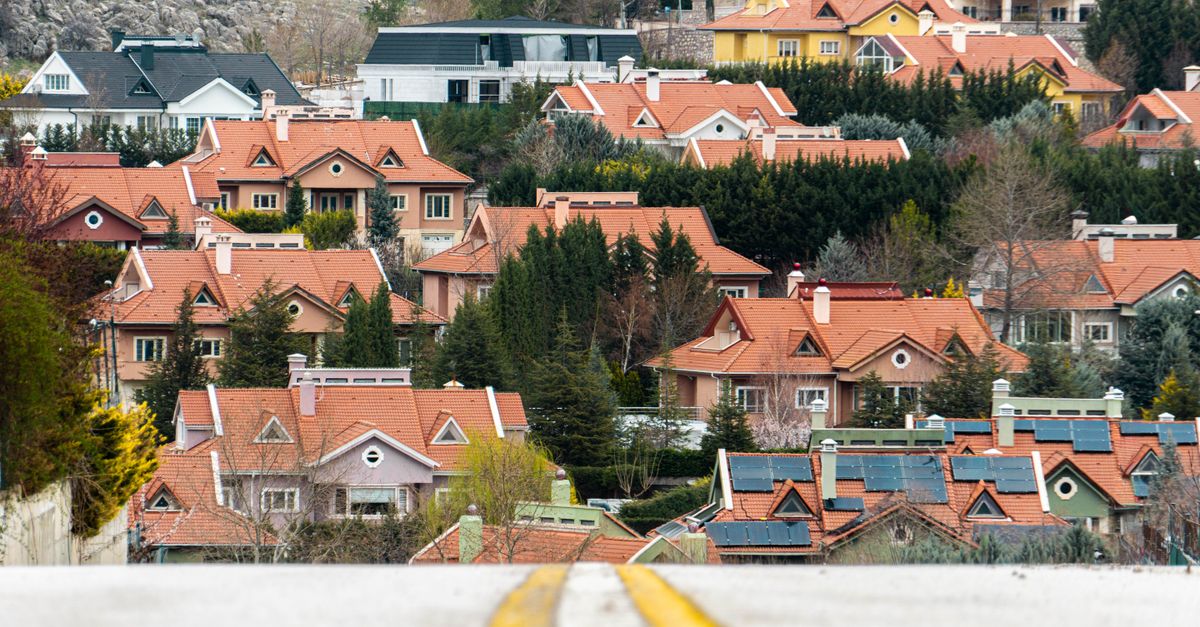
Because fiber optic lines must be physically run to a neighborhood and often to an individual home, availability is hyper-local. A new apartment building might have it, while the houses across the street do not. Here’s the most effective way to determine what's available for you.
The most efficient method is to use a unified service comparison tool. Instead of checking five different provider websites one by one, a service like KonnectX allows you to enter your address once and see a complete list of every internet plan—fiber, cable, 5G home internet, and satellite—available at your home. This saves time and ensures you see all your options side-by-side, including plans from smaller regional providers you might otherwise miss.
If you prefer to check manually, you can visit the websites of major providers like AT&T, Verizon, and Frontier and use their built-in address checkers. You can also look for physical signs in your neighborhood. Utility crews installing new underground lines often leave small flags or markers indicating 'Fiber Optic Cable.' If you see new junction boxes being installed on utility poles, it can also be a sign that a network upgrade is underway.
Understanding Fiber Internet Plans and Pricing in 2026
Fiber internet was once considered a premium, expensive service, but increased competition and network build-outs have made it much more affordable. In 2026, fiber plans are often priced competitively with high-speed cable plans, and they deliver far greater value. A typical entry-level fiber plan offering 300-500 Mbps usually costs between $50 and $65 per month. The most popular tier, gigabit internet (around 1,000 Mbps), generally falls in the $70 to $90 range.
For those needing extreme performance, multi-gigabit plans (2 Gbps to 5 Gbps) are becoming more common, with prices ranging from $100 to over $180 per month. When comparing prices, watch for a few key factors. Many providers offer a lower promotional price for the first 12 or 24 months, after which the rate may increase. Also, check for equipment and installation fees. Most fiber providers now include the necessary router and ONT (Optical Network Terminal) at no extra cost, and installation fees are often waived with online orders. Finally, the vast majority of fiber plans today come with no annual contract, giving you more flexibility.

Fiber vs. Cable, 5G, and Satellite Internet
While fiber is the top-tier choice, it isn't available everywhere. Understanding how it stacks up against other common internet technologies like cable, 5G home internet, and satellite can help you choose the best option for your address.
Cable internet, offered by companies like Xfinity and Spectrum, is the most common type of high-speed internet and offers respectable download speeds, but its upload speeds are much slower. It also runs on a shared network, meaning your speeds can slow down during peak usage times when many neighbors are online. 5G home internet from providers like T-Mobile and Verizon is a newer option that uses cellular signals. It can be a great alternative to cable, but performance can vary depending on your proximity to a 5G tower and network congestion. For rural areas, satellite internet from Viasat or HughesNet may be the only option, but it comes with higher latency and lower speeds than any of the terrestrial options.
| Technology | Typical Max Speed | Upload Speeds | Best For |
|---|---|---|---|
| Fiber Optic | 1,000 - 8,000 Mbps | Symmetrical (Same as download) | Gamers, remote workers, large households |
| Cable | 1,000 - 2,000 Mbps | Asymmetrical (Much slower) | Streaming, general family use |
| 5G Home Internet | 300 - 1,000 Mbps | Asymmetrical (Variable) | Cord-cutters, areas with strong 5G |
| Satellite | 25 - 150 Mbps | Asymmetrical (Slowest) | Rural homes with no other options |
The Future of Fiber: Is It Coming to My Area Soon?
The single biggest barrier to getting fiber internet has always been availability. The good news is that networks are expanding faster than ever. Fueled by private investment and significant government funding programs like the Broadband Equity, Access, and Deployment (BEAD) Program, providers are aggressively laying new fiber optic lines to reach millions of unserved and underserved homes across the country.
This means that even if fiber isn't available at your address today, it might be in the near future. Providers often announce their expansion plans by city or region, so it's worth checking local news or the provider's website for announcements. If you're eager for fiber, don't just check once and give up. Make a habit of re-checking your address every six months. You might be surprised to find a new provider has moved into your area, bringing with it the next generation of internet connectivity.
Find Your Best Internet Option Today
Ready to see if the speed and reliability of fiber internet are available for you? The best way to get a definitive answer is to perform a comprehensive check of your specific address. You can spend time visiting each provider's website individually, or you can get a complete list of all your options in one place.
KonnectX provides a simple, powerful tool to see every internet plan from every provider—including fiber, cable, and 5G—that serves your home. Just enter your address to compare your options. If you'd rather talk to a person, our experts can walk you through the plans available, answer your questions, and help you place an order right over the phone, all at the same price as going directly to the provider. Stop guessing and find out for sure what internet speeds you can get today.
Key takeaways
- Fiber optic internet offers the fastest, most reliable connection with symmetrical upload and download speeds, making it the best choice for modern homes.
- Availability is hyper-local and depends on whether providers have run fiber lines to your specific address. Always use an address-level availability checker.
- Major fiber providers in the US include AT&T Fiber, Verizon Fios, and Frontier Fiber, along with a growing number of regional companies.
- Fiber plan pricing is competitive with cable, typically ranging from $50 to $90 per month for popular speed tiers, often with no contracts or equipment fees.
- To find every fiber, cable, and 5G option at your home, use a comparison service like KonnectX to check your address and order in one call.
FAQ
How do I know if the cable in my street is fiber optic?
You might see utility markers or flags that say 'Fiber Optic Cable' or notice crews installing orange conduit. However, the only certain way to know if it's available for your home is to use an online availability checker for your specific address.
Is fiber internet worth the price?
For most households, yes. Its superior speed, unmatched reliability, and symmetrical upload speeds provide a far better experience for streaming, gaming, video calls, and connecting many devices at once, often for a price similar to high-speed cable.
What's the difference between fiber and cable internet?
Fiber uses light signals through glass cables, offering faster, symmetrical speeds and higher reliability. Cable uses electrical signals over coaxial cables, resulting in slower upload speeds and a network that can be slowed by neighborhood usage.
Can I get fiber internet in a rural area?
It's becoming more common due to government funding and provider expansion projects, but availability is still limited compared to urban and suburban areas. It's crucial to check your specific rural address to see if a provider has built out to your location.
What is the fastest fiber internet speed?
In 2026, many residential fiber plans offer speeds up to 5 Gbps (5,000 Mbps), and some providers like AT&T and Google Fiber offer plans up to 8 Gbps in select areas. These multi-gig speeds are far faster than what any other internet technology can provide.
Do I need a special router for fiber internet?
Your internet provider will supply the necessary equipment. This includes an Optical Network Terminal (ONT), which converts the fiber light signal into an ethernet connection, and a Wi-Fi router that is powerful enough to handle the high speeds.
How much does fiber installation cost?
The cost varies. Many providers offer free professional installation as part of a promotion when you order service. If not, a standard installation fee is typically around $99.
Will fiber internet increase my home's value?
While not guaranteed, some studies have shown that access to a high-speed fiber connection is a highly desirable amenity that can potentially increase a property's value and appeal to prospective buyers and renters.