Fiber Optic Internet Near Me: 2026 Availability Map & Guide
Looking for the fastest internet? Use our 2026 guide to map fiber optic availability in your area and compare top providers like AT&T Fiber and Verizon Fios.
The best way to find fiber optic internet on a map is to use the FCC's National Broadband Map or an independent comparison tool that checks availability at your specific address. While no single public map is perfectly accurate in real-time, these resources provide the most comprehensive view of where fiber service from providers like AT&T, Verizon Fios, and Frontier is available across the US.
Because fiber optic lines must be physically run to a neighborhood—and often directly to a home—availability can change from one street to the next. This guide will walk you through how to use online mapping tools, understand the major fiber providers, and compare your options to find the best and fastest internet connection for your home in 2026.
Why Fiber Availability Is So Hyper-Local
One of the most common questions about fiber internet is, "Why does my neighbor have it but I don't?" The answer lies in the infrastructure. Unlike cable or DSL, which often utilize existing telephone or TV lines, fiber optic networks are typically built from scratch. Internet service providers (ISPs) invest billions to lay these glass-strand cables underground or string them along utility poles.
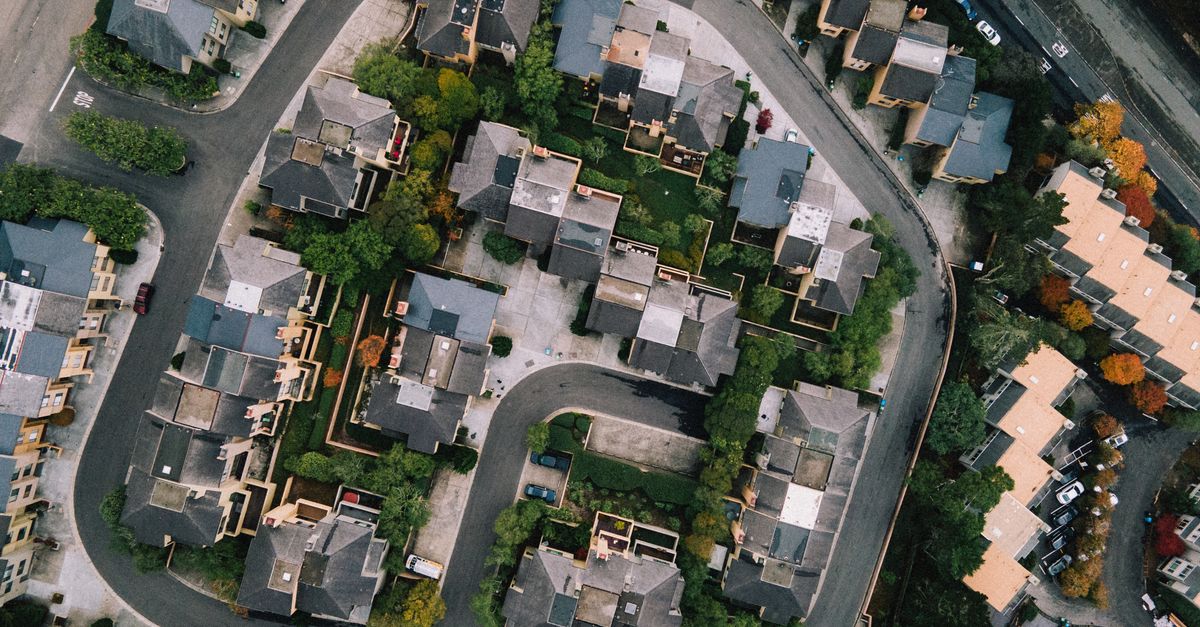
This rollout happens in phases, often targeting neighborhoods with a certain housing density to maximize return on investment. The 'last mile'—the final connection from the local network hub to your home—is the most expensive part. An ISP might build out the network to a central point in your neighborhood, but connecting individual homes can be a separate, later step. This is why you might see service available on one side of a major road but not the other, making an address-specific search the only way to know for sure.
How to Use Online Maps to Find Fiber Internet
While a perfect, all-in-one 'fiber internet map' doesn't exist, several excellent tools can get you very close. Each has its strengths and weaknesses.
The most comprehensive resource is the FCC's National Broadband Map. This official government tool aggregates data reported by all ISPs. You can enter your address and filter the results to show only 'Fiber' technology. It’s a powerful starting point, but be aware that the data can sometimes lag behind real-world availability by a few months. A provider may have just finished construction in your area, but it might not show up on the map yet.
Another approach is to check provider-specific maps. Major players like AT&T Fiber and Verizon Fios have availability checkers on their websites. These are highly accurate for their own networks but won't show you what their competitors offer. The most efficient method is using an independent comparison service. Instead of checking five different websites, you can check what's available at your address once with a tool like KonnectX to see every fiber, cable, 5G, and satellite option in a single, unbiased list.
Major Fiber Optic Internet Providers in the US
The US fiber market is dominated by a few large providers, complemented by dozens of smaller, regional companies that offer fantastic service in their specific territories. The major national and multi-state providers are the ones you're most likely to encounter in a search.
Each provider has a different geographic footprint. Verizon Fios is heavily concentrated in major metropolitan areas in the Northeast, while AT&T Fiber has a massive presence across 21 states, primarily in the South, Midwest, and California. Frontier Fiber has been aggressively expanding its network in both suburban and formerly underserved areas across 25 states. Then there are players like Google Fiber, known for pushing speed boundaries but only available in a select number of cities. An address-level search is the only way to confirm which of these, if any, serve your specific home.
| Provider | Typical Speeds | Key Service Areas | Best For |
|---|---|---|---|
| AT&T Fiber | 300 Mbps – 5 Gbps | 21 states (South, Midwest, CA) | Multi-gig speeds and high reliability |
| Verizon Fios | 300 Mbps – 2.3 Gbps | Major metro areas in the Northeast | Symmetrical speeds and customer satisfaction |
| Frontier Fiber | 500 Mbps – 5 Gbps | 25 states, urban and rural | Rapid expansion and competitive pricing |
| Google Fiber | 1 Gbps – 8 Gbps | Select metro areas | Cutting-edge speeds and simple pricing |
| Quantum Fiber | 500 Mbps – 8 Gbps | Parts of 16 states | No-contract plans with price-for-life offers |
What to Expect: Fiber Internet Speeds and Pricing in 2026
Fiber internet has a reputation for being expensive, but in 2026, its pricing is highly competitive with high-end cable plans. Entry-level fiber plans, typically offering symmetrical speeds of 300 Mbps or 500 Mbps, usually fall in the $40 to $60 per month range. The most popular tier, 1 Gbps (gigabit) service, generally costs between $70 and $90 per month.
For those needing extreme performance, multi-gigabit plans (2 Gbps to 8 Gbps) are becoming more common, with prices ranging from $100 to over $250 per month. When comparing costs, look beyond the monthly price. Does the plan require a contract? Is the Wi-Fi equipment included, or is there a monthly rental fee? Thankfully, most fiber providers now offer unlimited data and include the necessary router, making their pricing more transparent than many cable plans. Always look for internet deals for new customers, which can significantly lower your costs for the first year.

Is Fiber Worth It? Fiber vs. Cable and 5G Home Internet
For most households, fiber is the gold standard, but it's not the only great option. Its main advantages over cable internet are speed symmetry and reliability. While both can offer gigabit download speeds, a cable plan's upload speed is typically only a fraction of that (e.g., 1,000 Mbps download but only 35 Mbps upload). Fiber plans are symmetrical, meaning your 1,000 Mbps download speed comes with a 1,000 Mbps upload speed. This is a game-changer for working from home, video conferencing, online gaming, and uploading large files.
The newest competitor is 5G home internet from providers like T-Mobile and Verizon. It uses cellular networks to deliver internet to your home wirelessly. It offers a simple setup and competitive pricing, making it a fantastic alternative where fiber isn't available. However, its performance can be less consistent than a wired fiber line, with speeds and latency fluctuating more based on network congestion and your proximity to a 5G tower. For the absolute best performance, fiber remains the top choice.

The Future of Fiber: Where is Expansion Happening?
If a fiber map shows no service at your address today, don't lose hope. The US is in the middle of a massive broadband expansion, driven by both private investment and government initiatives like the Broadband Equity, Access, and Deployment (BEAD) Program. Billions of dollars are being allocated to build high-speed networks in unserved and underserved areas, with a major focus on fiber.
Major providers are constantly lighting up new neighborhoods. Frontier, for example, has a multi-year goal to reach over 10 million locations with its fiber network. AT&T and Quantum Fiber are also expanding into new territories. This means that maps and availability data are constantly changing. If you're eager for fiber, it's a good practice to re-check your address every six to twelve months to see if new providers have moved in.

How to Get the Best Deal on Fiber Internet
Finding fiber is the first step; getting a great price is the second. The single most effective strategy is to compare all your options. Don't just check one provider. An address search will reveal every company that services your home, allowing you to compare their speeds, pricing, and introductory offers side-by-side.
Be realistic about your speed needs. While a multi-gig plan is impressive, a 500 Mbps symmetrical fiber plan is more than enough for most families to stream in 4K, game online, and work from home simultaneously. Choosing the right speed tier can save you hundreds per year. Finally, always ask about the price after the promotional period ends and whether equipment fees are included. Finding the best cheap internet plan is about balancing cost, speed, and long-term value.
Find and Order Fiber Internet in Minutes
The most reliable fiber map is a real-time check of your specific address. Instead of deciphering national maps or visiting multiple provider sites, you can get a complete and accurate picture in one step. Use the KonnectX availability checker to instantly see every fiber, cable, 5G, and satellite internet plan available at your home.
Our experts can walk you through the results, answer your questions, and help you choose the perfect plan for your needs and budget. We'll help you place the order right over the phone at the same price as going directly to the provider—no extra fees, no hassle. It's the simplest way to find and order the best internet connection for your home.
Key takeaways
- The most accurate way to find fiber internet is with an address-specific availability checker, not a general map.
- The FCC's National Broadband Map is a useful starting point, but its data can lag behind real-world network construction.
- Major fiber providers like AT&T Fiber, Verizon Fios, and Frontier have distinct geographic footprints; availability is highly localized.
- Fiber offers superior symmetrical upload/download speeds and reliability compared to cable and 5G home internet.
- Comparing all available providers at your address is the best way to find the right plan and secure the best price.
FAQ
How do I know if fiber optic internet is in my area?
The most accurate method is to use an online availability checker, like the one on KonnectX, that searches by your specific address. This will show you if providers like AT&T Fiber, Verizon Fios, or Frontier serve your home directly.
Is Google Fiber available everywhere?
No, Google Fiber is only available in a limited number of metropolitan areas across the United States. Its expansion is highly targeted and much slower than that of other major fiber providers.
Why doesn't my street have fiber when the next one does?
Fiber optic installation is extremely expensive and is rolled out on a neighborhood-by-neighborhood, and sometimes street-by-street, basis. Your area may be part of a future construction phase, even if a nearby area is already connected.
What is the main difference between fiber and cable internet?
The key difference is performance, driven by technology. Fiber uses light signals through glass and offers symmetrical (equal) upload and download speeds. Cable uses older coaxial lines and has significantly slower upload speeds compared to its download speeds.
Can I get fiber internet in a rural area?
It is becoming more common due to government funding and provider expansion, but fiber is still less available in rural areas than in suburbs and cities. Satellite and 5G home internet are often more accessible rural options.
What does FTTH mean?
FTTH stands for 'Fiber to the Home.' It signifies the best type of connection, where the fiber optic cable runs directly to your residence, providing the fastest and most reliable internet performance possible.
Is fiber internet more expensive than cable?
Not always. In 2026, entry-level fiber plans are often priced competitively with high-speed cable plans. Given their superior symmetrical speeds and reliability, fiber plans frequently offer better overall value.
How often should I check for fiber availability?
If fiber isn't available to you now, it's a good idea to re-check your address every 6 to 12 months. The fiber network is expanding rapidly, and your home could be included in a new service area.